Connecting My Local Homelab to AWS Cloud Infrastructure


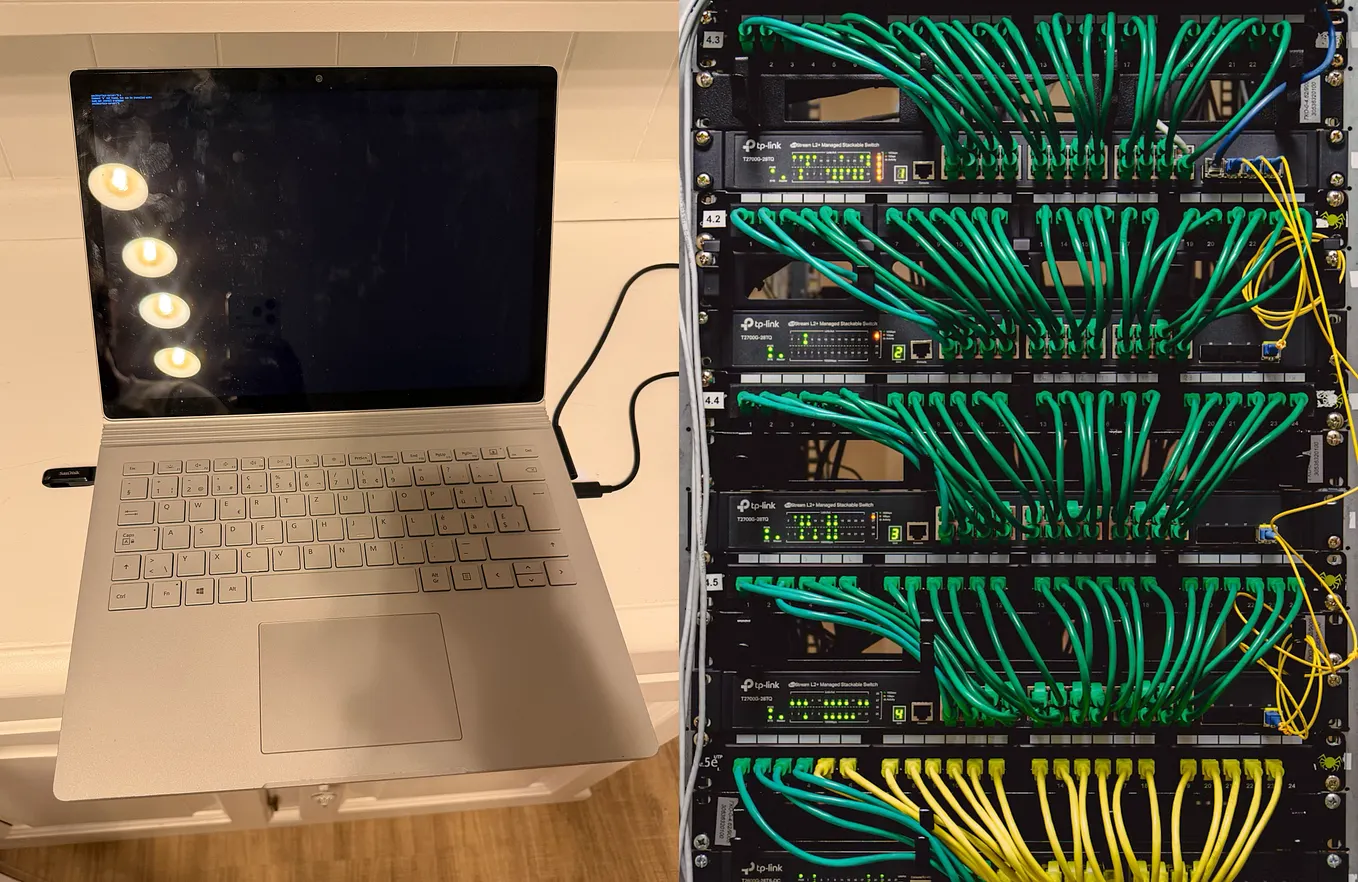
Today I completed Phase 6.9 of my Cloud Operations Homelab by comparing the AWS infrastructure I built with my local atlas environment. The goal was to connect the cloud concepts I have been working with to the physical infrastructure I already understand. That comparison helped make the AWS side feel much less abstract.
Get Kevin Windisch’s stories in your inbox
Join Medium for free to get updates from this writer.
I documented how local networking, servers, storage, routing, firewall rules, and monitoring relate to AWS concepts such as VPCs, subnets, EC2, EBS, route tables, security groups, and cloud monitoring. The biggest takeaway was seeing that cloud infrastructure is not completely different from traditional infrastructure. Many of the same concepts are still there, but AWS abstracts the physical hardware and makes the environment easier to define, change, and recreate through code.
My local homelab gives me hands-on experience with Linux, Docker, networking, automation, and monitoring. AWS and Terraform build on that foundation by adding cloud networking, Infrastructure as Code, IAM, infrastructure lifecycle management, and cost control. Seeing both sides together helped reinforce how the underlying infrastructure concepts carry over even when the implementation changes.
From a cloud engineering perspective, this is important because cloud engineers still need to understand what is happening underneath the abstractions. Knowing how servers, networking, routing, security, storage, and monitoring work locally makes it easier to understand how those same responsibilities are represented in a cloud platform. The tools may change, but the infrastructure fundamentals still matter.