Member-only story
The End of Version Numbers: Why Software Is Becoming Continuously Mutable


For decades, version numbers were the backbone of how we understood software. They told us what was new, what was stable, what was risky, and what was obsolete. Version 1.0 marked a beginning. Version 2.0 promised a leap. Patch numbers reassured users that bugs had been fixed and nothing fundamental had changed. Entire release rituals, procurement cycles, and enterprise contracts were built around these numbers. Today, that mental model is quietly collapsing.
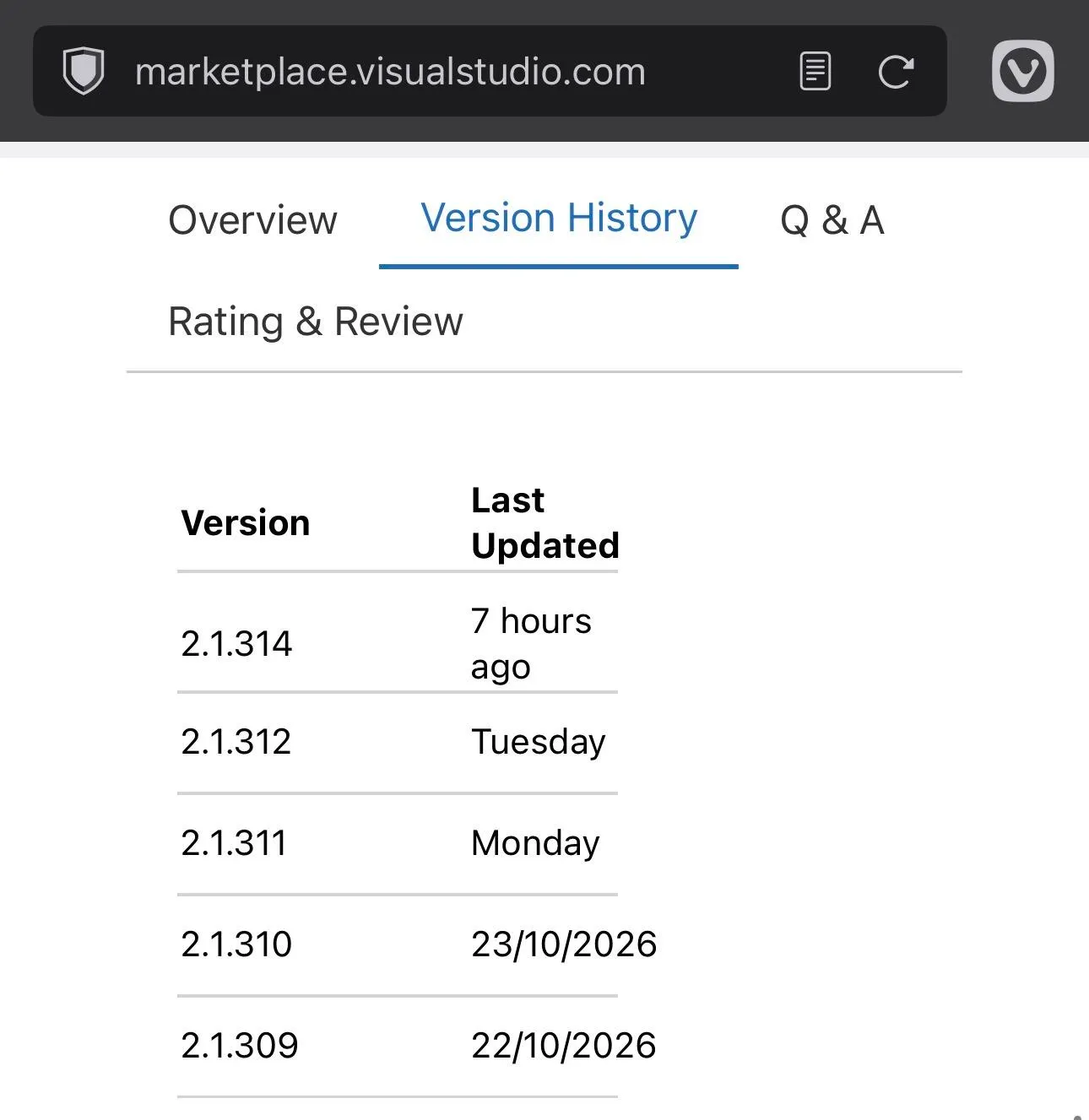
Across consumer apps, enterprise platforms, cloud services, and AI systems, software is no longer something you upgrade in discrete steps. It is something that changes continuously, invisibly, and often without explicit consent. Version numbers still exist on paper, but in practice they are losing their meaning. Software has become mutable by default.
This shift is not cosmetic. It represents a deep change in how software is built, deployed, governed, and trusted.
Traditional versioning made sense in a world where software was shipped as a product. You bought a CD, installed it, and lived with that version for years. Even as software moved online, the logic remained. Enterprises planned migrations from one major version to another. Release notes were read carefully. Downtime was scheduled. Stability was prized…