Buildings don’t run themselves, here’s the unsung heroes


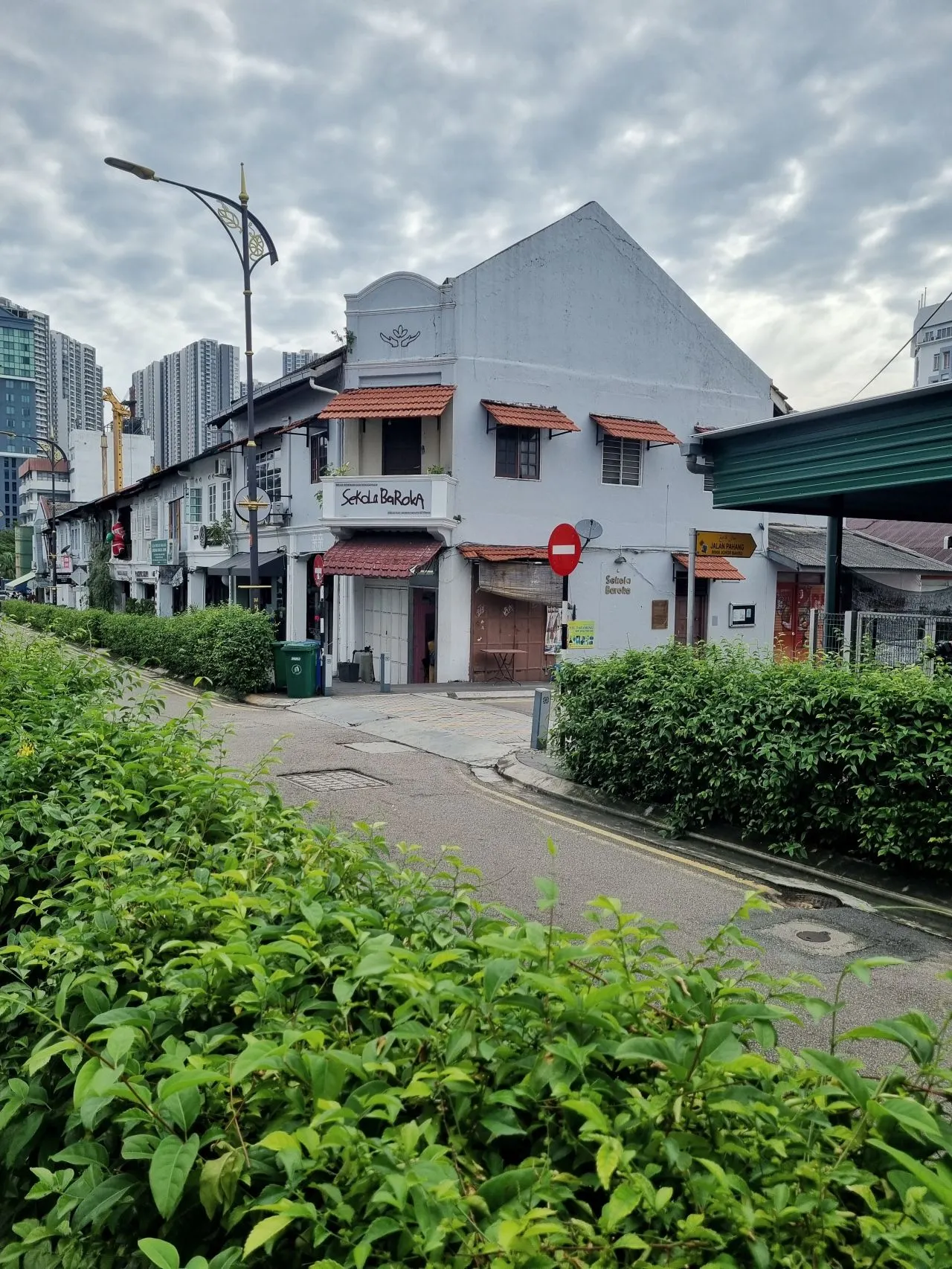
I love beautiful cities, the combination of modern facilities and heritage. It takes a lot of efforts and work to maintain and appreciate such beauty.
Behind every well maintained building, there are unsung heroes that keep everything in order. The facilities management (FM) team.
The FM industry is evolving at an unprecedented pace, shaped by technological advancements (especially AI), unpredictable and shifting economic priorities, and new regional developments. The transformation is evident in facilities management, a sector that has historically been viewed as operational but is now becoming a strategic function in asset performance and sustainability.
The reality is clear but many people are unaware. FM isn’t just about maintenance. It influences nearly 90% of an asset’s lifecycle cost, making it a fundamental pillar in long-term value creation, cost efficiency, and environmental’s responsibility.
Living in Johor, the buzzword currently is the hype surrounding the Johor-Singapore Special Economic Zone (JS-SEZ). With JS-SEZ set in motion, we are witnessing a game-changing transformation in cross-border investments. The JS-SEZ is expected to contribute US$28 billion annually to Malaysia’s GDP, driving growth in technology industry in particular. However, with increased economic activity comes new challenge: talents, housing and infrastructure strain, energy demands, and sustainability pressures.
Johor is currently attracting global tech giants like NTT and AirTrunk, both developing multi-MW data centres facilities in Iskandar Puteri. While this puts Johor on the map for digital infrastructure, it also raises concerns about resource consumption and environmental impact. The Johor state government and Malaysian government is already looking at ways to address these concerns for facilities that require continuous cooling and massive water usage.
Get Azhan’s stories in your inbox
Join Medium for free to get updates from this writer.
On a positive note, this diversification of facilities types (commercial, industrial, and digital infrastructure) is creating new demands for FM expertise. Managing a hyper-scale data centre is vastly different from running a retail complex or a manufacturing plant. It demands specialised skills.
With these massive shifts, FM is gaining more attractions as a strategic unit rather than operational. In Malaysia, the FM market is valued at $15.57 billion, growing at 5.54% CAGR. The demand for smart, integrated, and sustainable FM solutions is rising, as businesses seek ways to optimise operations, reduce costs, and meet environmental targets.
However, the real question is whether these technological advancements are trickling down fast enough to developing markets like Malaysia. I honestly think there is still so much to do. We discussed how digital literacy and technology adoption is among top skills needed in this industry.
For FM leaders:
- It’s time for FM professionals to start enhancing their knowledge towards tech. Awareness should starts from within, as I have seen lately, the failure to execute tech projects is due to the inability to persuade the stakeholders.
- Skills must evolve. The industry needs a workforce trained in tech driven FM, sustainability, and digital asset management.
- Sustainability is key. Energy efficiency, smart sensors, and automation will drive future FM operations. This is where I think Malaysia is developing well at the moment.
- Data is power. A data driven FM will separate traditional FM from high-value service providers from the rest.
Buildings and cities are more than just concrete and glass . They are living, breathing spaces that shape our daily lives. But they don’t take care of themselves. Behind every smooth-running office, buzzing shopping mall, or gleaming skyscraper, there’s a team making sure everything works as it should. Facilities management isn’t just about fixing things when they break, it’s about keeping our cities functional, sustainable, and ready for the future. As our skylines evolve, so must the way we care for them. After all, a well-managed building isn’t just a structure, it’s a reflection of the people who keep it alive.