Turns Out Addiction Was the Only Thing Keeping Me Alive

A gentle reflection on what addiction may really be doing in our lives – and how recovery sometimes starts with understanding what was once trying to protect us.

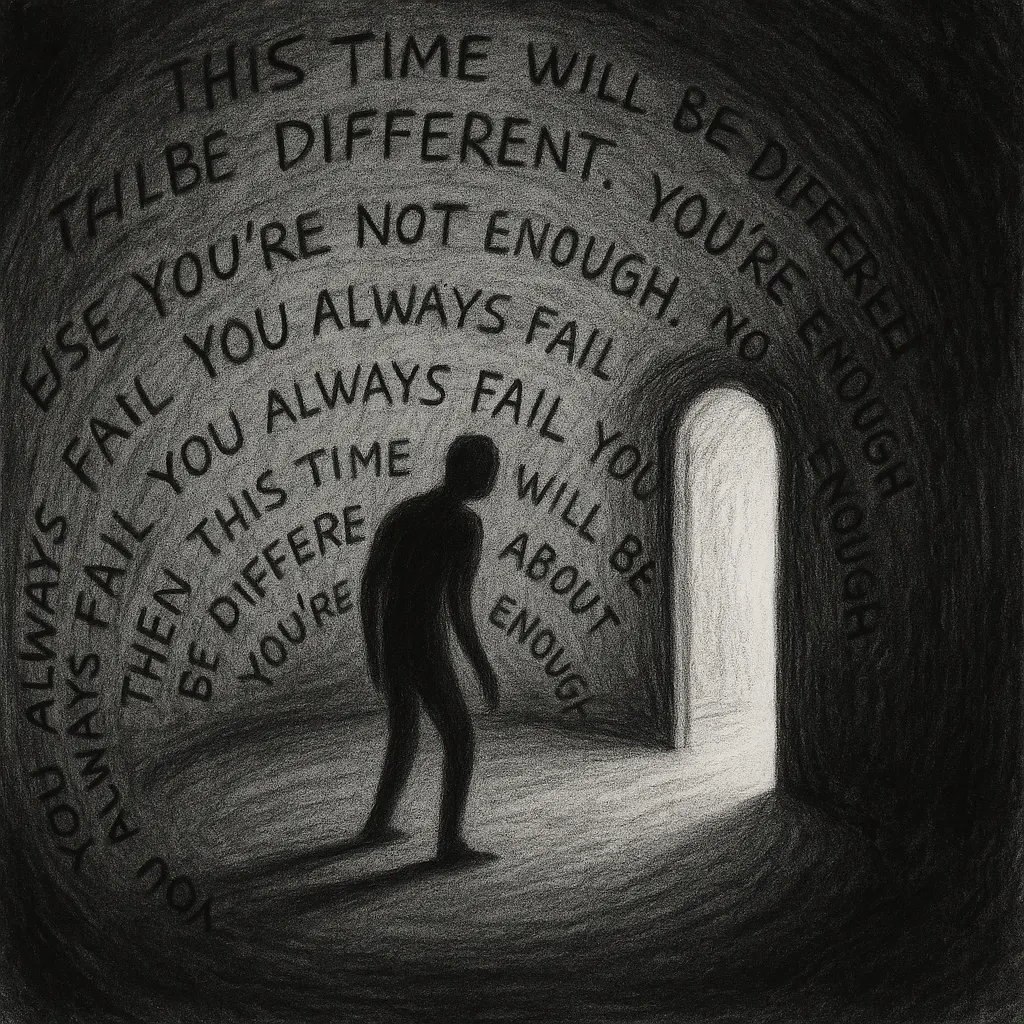
“I know it was killing me… but at the time, it felt like the only thing keeping me alive.”
That sentence was whispered by someone in the quiet pause between grief and realisation. I’ve heard versions of it from many people sitting across from me. The details change – but the essence doesn’t.
Over the years, as a counsellor working with people in recovery, I’ve come to understand something I wasn’t taught in textbooks: that addiction, while devastating, often emerges from something profoundly human – a longing for relief, safety, and connection. It doesn’t begin as self-destruction. More often, it begins as self-protection.
For some, addiction steps in when nothing else can. It becomes the body’s way of saying, “This is too much.” When trauma hasn’t been named, when emotions feel too overwhelming, or when life never taught a person how to soothe their own pain – something else will step in. That “something” might be alcohol, or drugs, or food, or gambling, or compulsive behaviours. And for a time, it works. It offers quiet. Distance. Escape. Control.
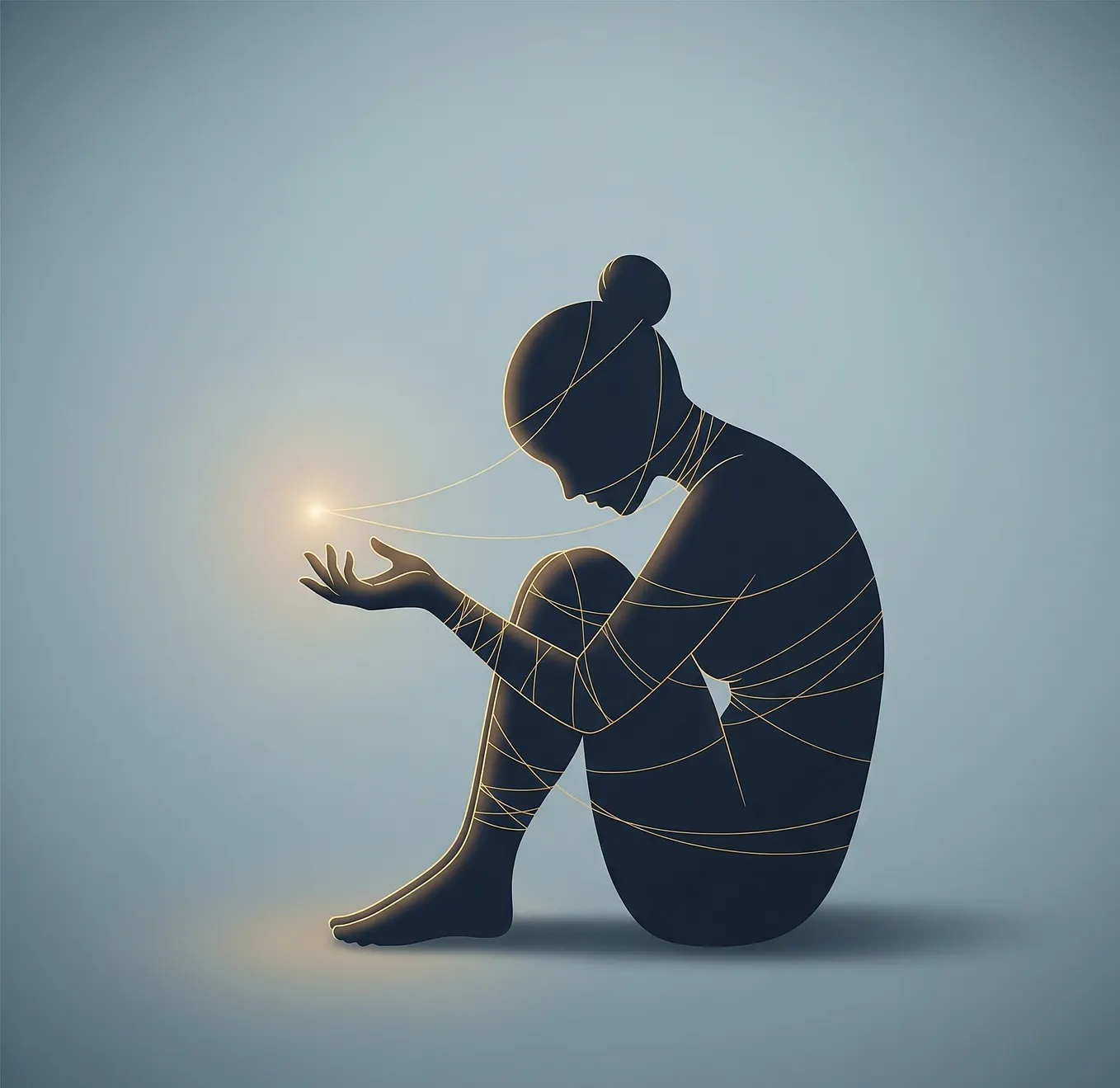
And so, a pattern begins – not out of recklessness, but out of a deep need to survive. That’s the part I think we miss when we rush to demonise addiction. It’s not always a monster. Sometimes, it’s a misguided protector. A loyal part of the psyche that just wasn’t equipped for the job it was forced to do.
This doesn’t excuse the harm. The damage is real. Addiction can hurt the very people we love most. It can rob years from a life. But I’ve come to believe that understanding the function of addiction – what it was trying to do – can be one of the most compassionate and clarifying steps in recovery.
It allows people to stop waging war with themselves.
Get Devin Fernandez Counselling’s stories in your inbox
Join Medium for free to get updates from this writer.
When someone sees that their addiction was, at some level, an attempt to care for themselves, they begin to soften. They begin to shift from self-hatred to something more like grief. And in that space, something begins to heal. Not because we’ve justified the behaviour, but because we’ve started to honour the part of ourselves that was trying to help.
From there, new possibilities emerge. The protector – once overwhelmed and misused – can be invited into a new role. Instead of shielding us through substances or avoidance, it can help us stay present, stay connected, stay curious. It can become the part that says, “Hey, you’re getting overwhelmed. Let’s slow down.” Or, “You matter too much to go down that road again.”
This, I’ve learned, is how people begin to love themselves out of negative cycles. Not through force or shame. But through understanding. Through listening to what their suffering was trying to say. And through gently choosing, again and again, not to punish themselves for being in pain.
We all suffer. We all develop ways of surviving that sometimes outlive their usefulness. The work isn’t to cut those parts off – but to ask what they were trying to do, and to find a wiser way to care for what they were protecting.
⸻
If you’re somewhere in this process – early recovery, deep in it, or just wondering whether something in your life has taken on too much power – you’re not alone. Counselling doesn’t demand perfection. It simply offers space to explore, to feel, and to begin again. Sometimes the first step isn’t fixing the problem – it’s recognising that even your most painful patterns once began as attempts to stay alive.
With respect for the courage it takes to heal,
Devin Fernandez
PACFA-Registered Counsellor
Brisbane, Australia