Why That $20 Dog GPS Tracker Might Let You Down When It Matters?
When my dog slipped out the gate last spring, the $20 tracker I’d clipped on showed him three streets away — while he was napping in the backyard. That was the moment I learned the difference between a locator and a collar actually worth keeping.
The cheapest GPS tracker almost always wins the first sale. It rarely wins the second one. And the gap between those two moments is where most pet parents get burned.
The bargain that wins the cart, loses the trust
A budget tracker with free shipping is an easy yes for a first-time buyer. The listing promises “real-time GPS” and “global coverage” at a price that makes the premium collar look like a hard sell. The sale closes on price.
But the first sale is the only one the budget hardware is built to win. What happens in week three — when the novelty is gone and the device is doing its actual job — is where the real problems start. A cheap tracker that only had to look good in the listing suddenly has to work, and that’s a different bar.
Locator vs. monitored collar — the split most people miss
Before anything else, there’s a distinction most buyers still confuse. Two different products wear the same “pet GPS” label.
Get Genius’s stories in your inbox
Join Medium for free to get updates from this writer.
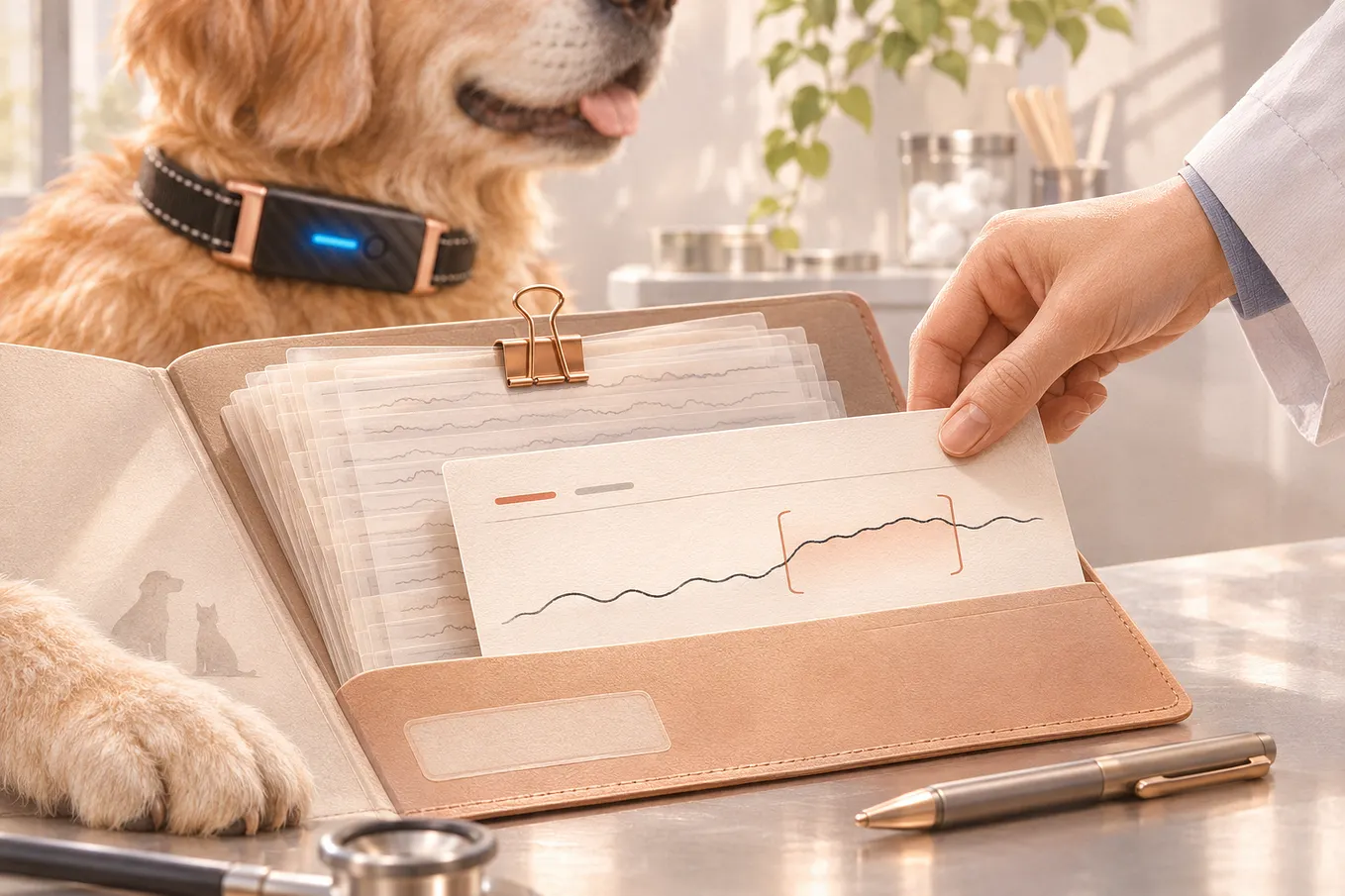
A locator answers one question: where is my dog right now? It’s mostly a GPS chip, a battery, and an app. A monitored collar answers a second question: is my dog’s daily life changing in a way I should notice? It layers behavior recognition, rest and activity trends, and gentle flags on top of the location. The locator is a one-moment product. The monitored collar is a kept product. That difference is the whole story.
Where cheap trackers actually fail
Five things tend to happen with the cheapest locators, and each one lands on the owner, not the manufacturer.
- Dead zones and drift. Budget GPS modules and antennas struggle anywhere but open sky. A collar that shows your dog “three streets away” when he’s in the backyard trains you not to trust it — and, just as unfairly, not to trust the next one either.
- A battery that fails at its one job. Short battery life on a locating device isn’t a spec footnote; it’s the product failing at the only thing it was bought for. A dead tracker on day six is a returned tracker.
- No one to call. When a cheap device misbehaves, there’s often no support, no firmware update, and no accountable brand behind it. You’re left with a paperweight and a bad taste.
- The hidden or absent service. Some budget lines bury a required subscription in the fine print; others skip the cloud service entirely, so the hardware silently stops working after a few months. Both erode trust faster than an honest fee stated up front would.
- The label sticks to the category. “Pet GPS” gets judged by its worst-priced example. A quality monitored collar on the same shelf then gets measured against a disappointing device you already resent.
What a collar worth keeping actually does
The collars that earn their place past month three are built around continued value, not a low entry price. Four traits separate a churn device from one you’ll still use.
- Value you can see on day 30. Behavior recognition, rest and activity trends, and gentle flags give you a reason to keep the device on. A locator that only answers “where is my dog right now” has nothing to say after the first scare.
- Data you control. When your dog’s history can leave the app — a report, a CSV, a vet-readable summary — you’re not held by fear. Portability is what makes a brand trustworthy rather than trapping.
- Honest tiering, no buried fees. A defensible story — location and behavior now, with the subscription priced as the standard cost of running continuous service — beats a fake “free forever” that evaporates or a surprise charge that angers. Honesty is itself a feature.
- A loop, not a black box. A collar tied to a care or nutrition follow-up — “the numbers moved, here’s why” — turns monitoring into a habit. That loop, not the hardware, is what keeps it on your dog.
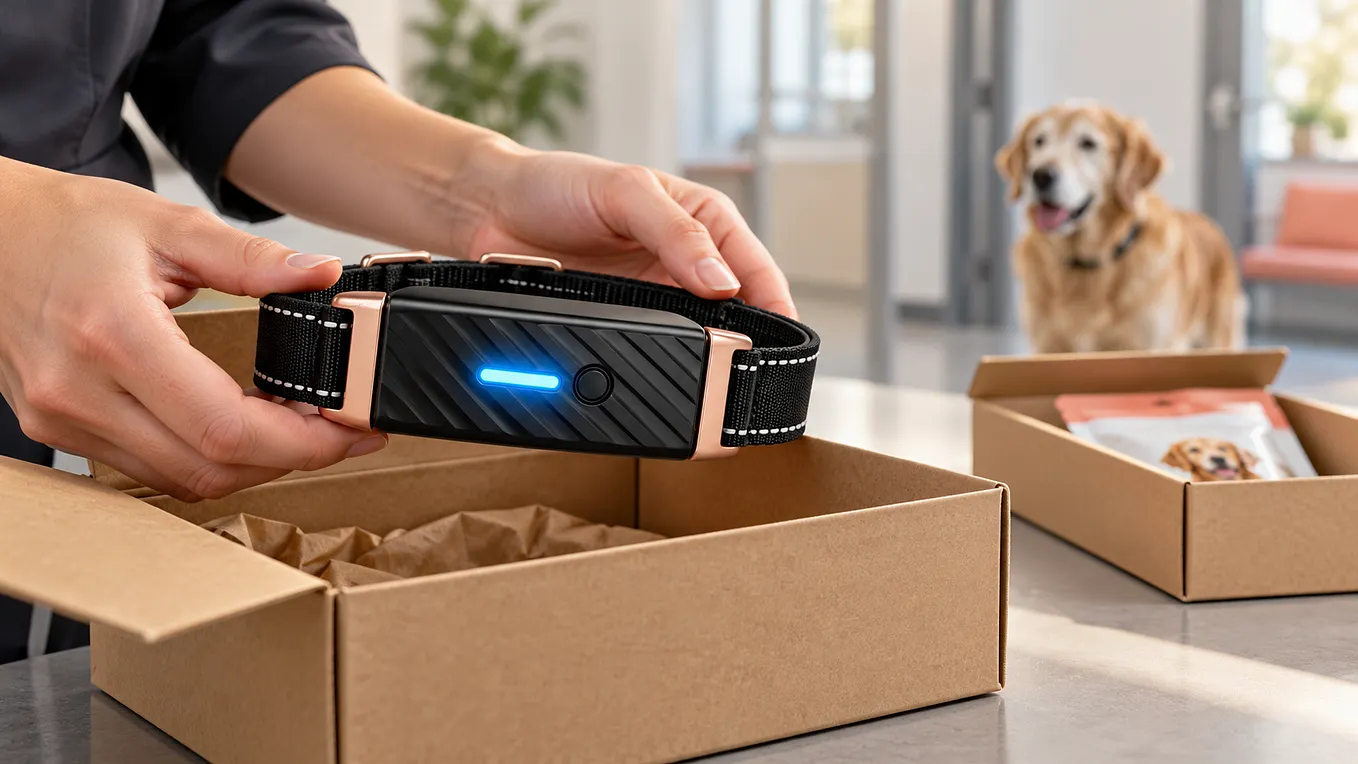
At KIYE, the Gen1 collar (for dogs and cats) is built on this logic: GPS positioning plus automatic recognition of a dozen-plus daily behaviors, a factory-embedded eSIM so you never install a SIM, and data that stays portable. Heart-rate and temperature sensing aren’t on Gen1 — they’re on the roadmap via the Collar Plus and the Smart Mattress. The point isn’t “more sensors today.” It’s a product designed to still matter in month four, when the cheap locator has already been unplugged.
One honest note
These devices are wellness tools, not medical devices. They surface trends and gentle flags worth talking to your vet about; they don’t diagnose. Anything worrying should go straight to a professional.
Curious how a monitored collar compares to a plain locator on the shelf? We broke the distinction down in more detail here: https://kiyepet.com/why-cheap-gps-trackers-kill-reorders/
— KIYE-PetWellness