The Caregivers No One Sees

A letter to the caregivers over 70,
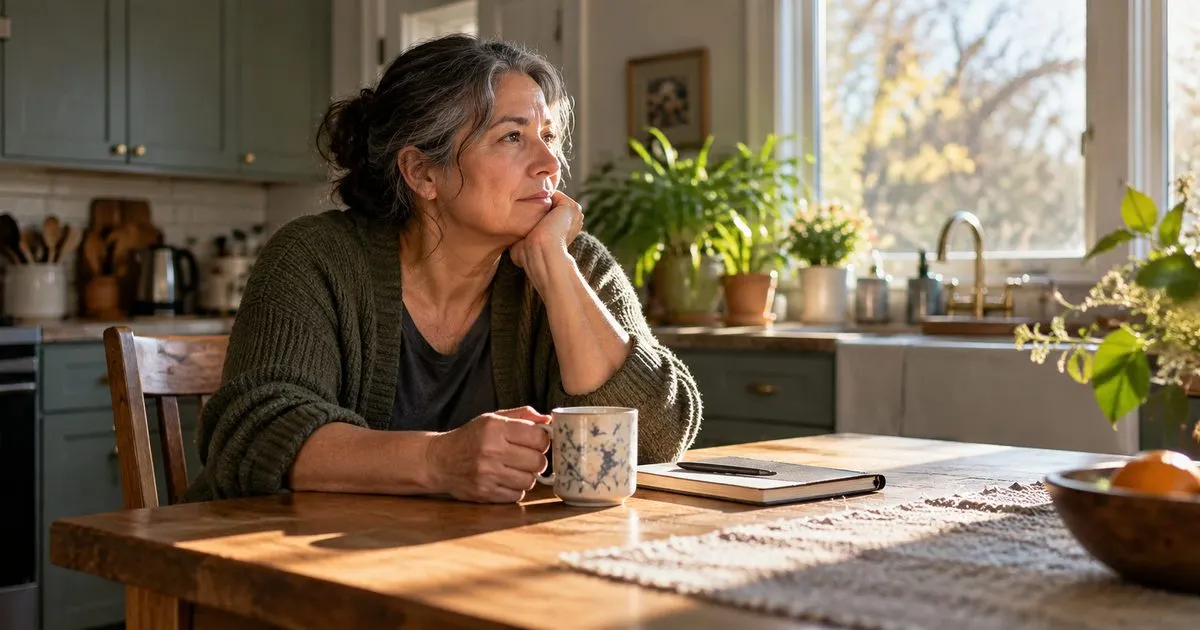
There is a quiet figure in American caregiving, and almost nobody writes about her. She is 74. She is lifting her husband of fifty years from the bed to the chair, both of them betting their balance on her back. There is no other caregiver in the house. There is no adult child scheduled for Saturday. There is no plan B. There is just her, and tomorrow, and the pill organizer on the counter.
Thanks for reading! Subscribe for free to receive new posts and support my work.
We tend to picture family caregivers as women in their forties, sandwiched between kids and parents. That picture is real, but it is incomplete. The AARP “Caregiving in the US 2025” study found that nearly one in four family caregivers is 65 or older. Federal data on unpaid eldercare shows that among caregivers in that older age band, more than a quarter are caring for a spouse or partner, and the older the caregiver, the more likely that becomes. The Bureau of Labor Statistics counts 38.2 million Americans providing unpaid eldercare, and a meaningful slice of them are old enough to be receiving the very services we usually talk about for “seniors.”

Think about what that means physically. A 70-year-old caregiver is often managing her own chronic conditions, arthritis, heart disease, her own medication list, while performing the physical labor of care: transfers, bathing, overnight monitoring. One in five family caregivers already rates their own health as fair or poor, and among those caring for someone 50 or older, four in ten report a high burden of care. For the 70-plus cohort, that burden lands on a body with less reserve, on bones that fracture more easily, on immune systems that recover more slowly. The research on older spousal caregivers is blunt about this: the caregiving spouse’s own health risks rise alongside the person they’re caring for.
Then there is the silence around money. Most of these caregivers are living on Social Security and whatever retirement savings survived decades of life. The national conversation this month, including a survey finding that eight in ten caregivers would sacrifice their own financial security to care for family, treats that as a moral choice. For a 72-year-old paying out of pocket for her husband’s supplies on a fixed income, it is not a choice. It is arithmetic with no good answers.
Get LighthousebyDragonfly’s stories in your inbox
Join Medium for free to get updates from this writer.
And underneath all of it sits the fear nobody says out loud: what happens if I go first? Caregiver collapse is not a metaphor. When the sole caregiver is hospitalized, or dies, or simply breaks a hip, the person they were caring for can be left with no plan, no records, no knowledge of the medication schedule, sometimes no safe place to go. For couples where the caregiving spouse has been managing everything alone, the absence of a backup plan is not a small gap. It is the whole ballgame. Emergency planning, guardianship questions, even something as basic as a written care plan in a place others can find, all of it goes undone because nobody ever asked.
And this week, Washington actually came within reach of some of it. On October 16, Senate Finance Committee Democrats issued a formal request for information on overhauling long-term care, probing everything from a universal home care benefit to strengthening both the paid and the family caregiving workforce. That document is an open door. Anyone can submit. If you are a 70-something caregiver or you love one, your letter telling them what no backup plan means in practice is exactly the testimony they say they want.
Meanwhile, the Older Americans Act reauthorization, passed unanimously by the Senate in July, still sits waiting for the House to finish the job. That bill strengthens the National Family Caregiver Support Program, the single largest federal program aimed at people like the woman lifting her husband out of bed, respite, counseling, peer support. The program is funded this year at $209 million, which sounds substantial until you divide it by the number of caregivers it is meant to reach. A continuing resolution keeps aging services funded through December 11, and then Congress has to decide all over again. The House finishing reauthorization, and appropriators funding NFCSP like the population it serves actually exists, would be the most direct thing this Congress could do for its oldest caregivers.
The same goes for the rest of the list. KFF reported this month that 32 states saw their Medicaid home and community-based services waiting lists grow this year, and Senate Finance is asking how to end the waitlists and make home care a mandatory benefit rather than a state-by-state lottery. Respite care funding, so an 80-year-old husband can sleep through one night a month. The Credit for Caring Act, a caregiver tax credit that would actually recognize out-of-pocket costs on a fixed income. Social Security caregiver credits, so the years spent caregiving in your 60s and 70s don’t quietly erase your own benefit. A paid leave system that extends beyond workers, because most 70-plus caregivers have no employer to ask. And a national caregiving strategy that finally counts caregivers over 65 as a population with their own risks, not a footnote.
Here is what I keep returning to. We celebrate “aging in place.” We say the words with warmth, at home, surrounded by memory, until the end. But aging in place, for millions of the oldest old, is currently being accomplished by another old person, alone, unfunded, uncounted, and unrelieved. That is not a care plan. That is a prayer.
If you are that caregiver: please hear that the odds you’re carrying are real, and that asking for help is not weakness, it’s logistics. If you love one: ask them this week who their backup is. If the answer is nobody, that answer is the advocacy. Write it down. Send it to the Senate Finance Committee. Tell your member of Congress that the House should pass the Older Americans Act reauthorization before the December funding deadline. Tell them the caregiver they’re thinking about is 74, and she has been waiting for someone to notice. Submit your story or the story of a caregiver you know here.
You are seen. And you were never meant to do this alone.
With hope and resolve,
Susan
Thanks for reading! Subscribe for free to receive new posts and support my work.