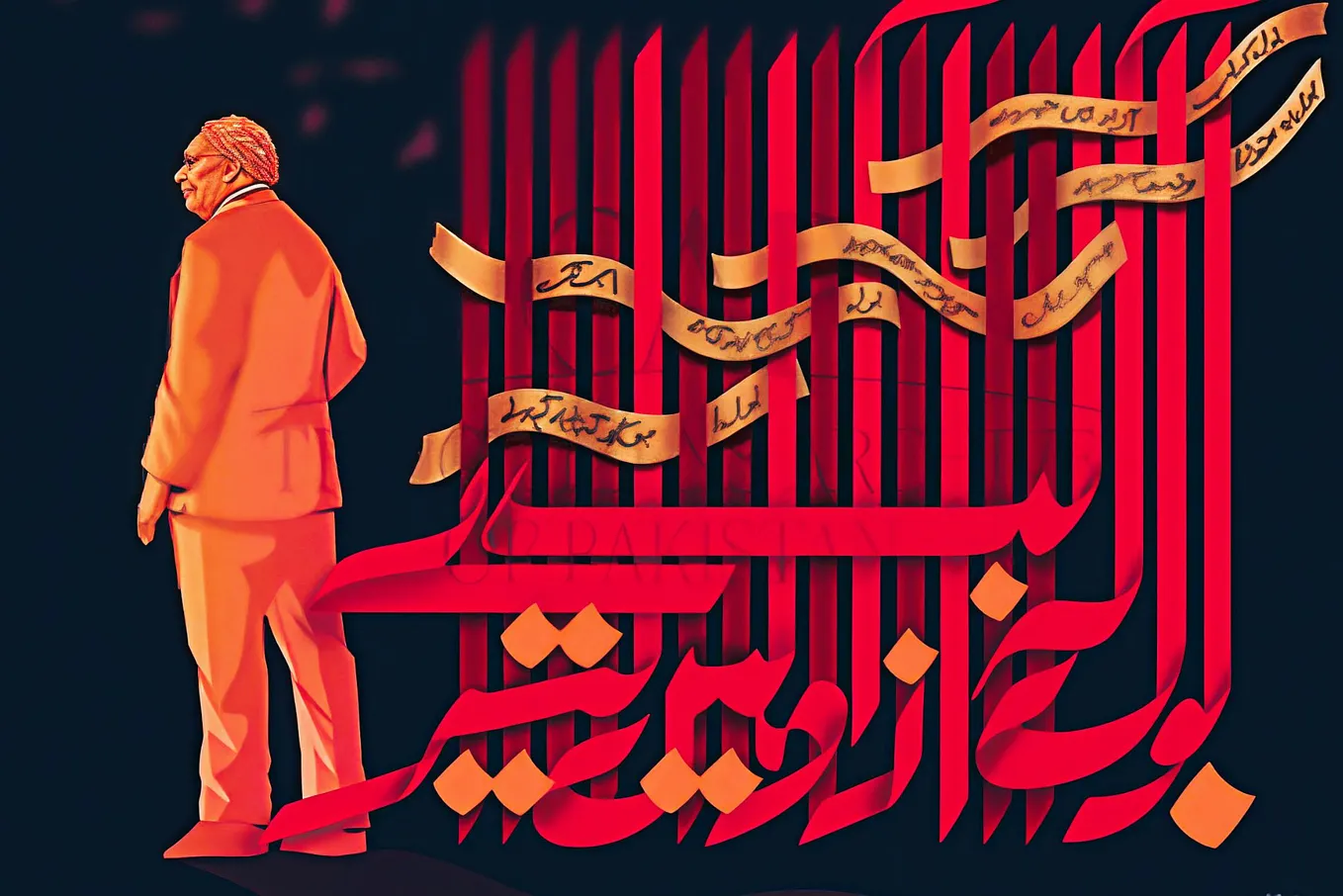
Shakespeare Asked, Faiz Answered: To Be or Not To Be
Faiz Ahmed Faiz once wrote:

مقام فیضؔ کوئی راہ میں جچا ہی نہیں
جو کوئے یار سے نکلے تو سوئے دار چلے
“Maqaam-e-Faiz koi raah mein jacha hi nahin,
Jo kooye yaar se nikle to sooye-daar chale.”
(“No place has ever pleased me along the way.
If not in the beloved’s street, then towards the gallows I walked.”)
This couplet is more than poetry — it is philosophy. It is the declaration of a man who refused to settle for anything less than the truth of his values, ideals, and love. For Faiz, the metaphorical “kooye yaar” (the beloved’s street) represented the fulfillment of purpose — whether it was justice, love, or the warmth of authenticity. If such a destination was denied, then the only other dignified journey was towards the gallows — a path of defiance, integrity, and uncompromised honor.
To Be or Not to Be: The Absolute Choice
Shakespeare posed the eternal question: “To be, or not to be?” For the passionate, this dilemma is not about mere existence but about the quality of existence. Faiz’s verse aligns seamlessly with this philosophy.
Get Samara A’s stories in your inbox
Join Medium for free to get updates from this writer.
For those who carry ideals too immense to shrink, there are only two paths:
- To Be: To live fully in alignment with one’s values, to sit in the arms of truth, justice, and love — the “kooye yaar” that satisfies the soul.
- Not To Be: To reject false comfort and embrace a respectable exit, even if it means death, rejection, or the gallows.
There is no middle way. Compromise dilutes passion into mediocrity, and for the Faiz-like spirits of this world, mediocrity is worse than death.
The Beauty of the Respectable Exit
Here lies the paradoxical beauty: walking towards the gallows may look like defeat to the world, but for the person who refuses to bow down, it is the ultimate act of dignity. It is a reclamation of self-respect.
When society cannot accept you in your authentic truth, when the beloved’s embrace is denied, then to step away — whether into silence, solitude, or even death — is not weakness but a higher form of strength. It is saying: “I will not barter my soul for comfort.”
In this light, the gallows become not a symbol of loss, but of victory — the victory of staying whole, pure, and unbroken.
Why It Matters Today
We live in a time where compromise is often painted as wisdom, and conformity as survival. But Faiz reminds us of another truth: sometimes compromise is betrayal, not survival. Sometimes choosing the gallows over a comfortable lie is the only way to remain truly alive.
In our careers, relationships, and personal quests, we too face this choice: will we live fully in the embrace of our values, or dilute ourselves to fit into the mold of acceptance?
A Question for You
Perhaps the most unsettling and liberating thought is this: if you are not accepted in your true self, do you have the courage to make a respectable exit?
Would you choose the beloved’s street, or walk with dignity towards the gallows — leaving behind false comforts, hollow applause, and pseudo belonging?
Faiz did. Shakespeare framed it centuries before. And the question still burns for us today:
- When the time comes, will you choose to be — or not to be?