Member-only story
Your Next Web App Won’t Have Pages. It’ll Have an Agent.

How full-stack JavaScript is shifting from routes and forms to tools and loops, with working Next.js code.
Last month I spent two days building a filter UI for an admin dashboard. A teammate then goes into the chat and types in “show me overdue invoices over $5k”. My teammate’s UI beat mine in 10 seconds. I realized that the new job I’m doing is quietly changing.

Pages Were Never the Point
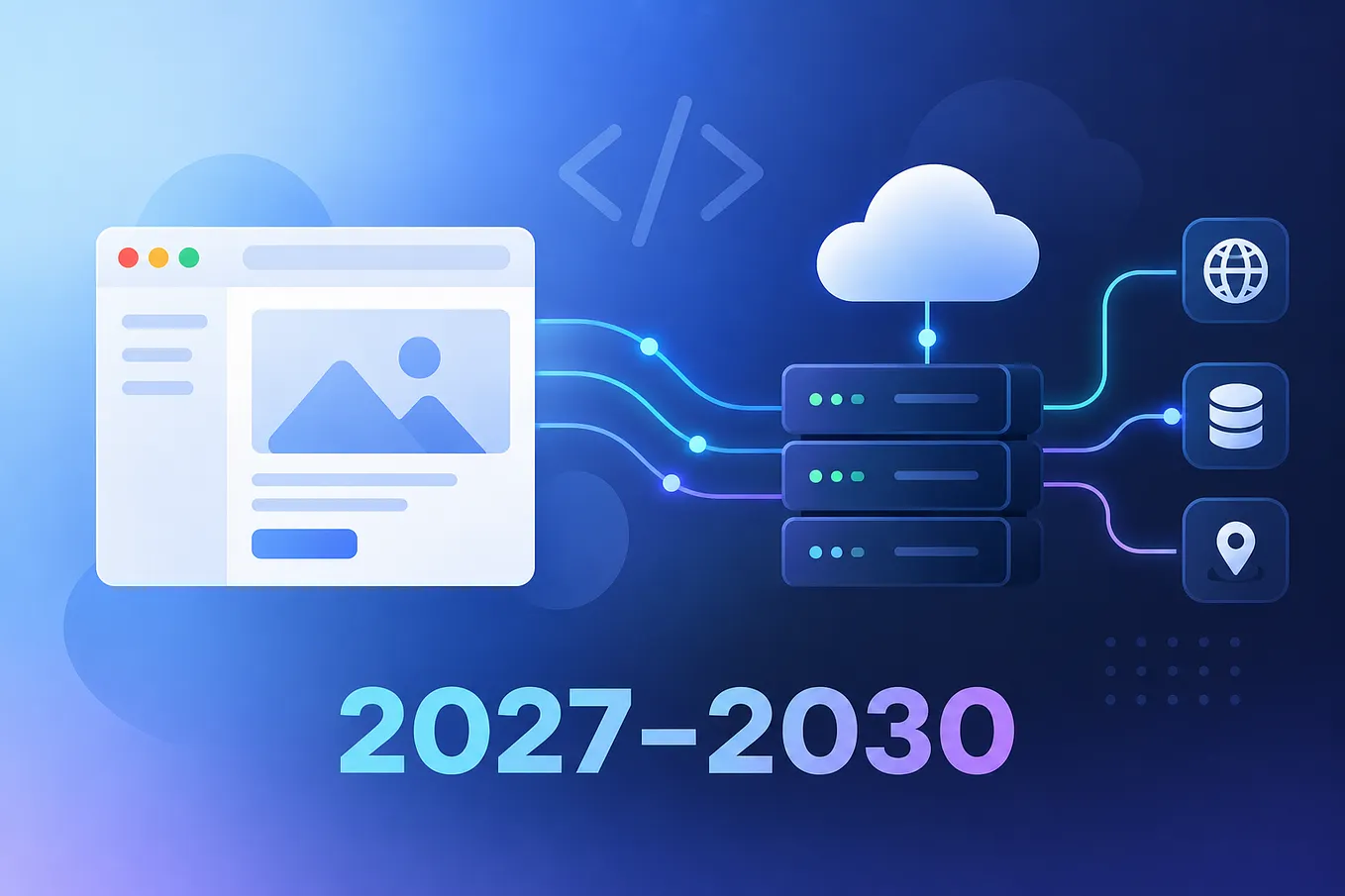
Full-stack JavaScript applications have historically been about pages. You pick a route, run some fetches, re-render, and do this again on the next route. Users had to “learn the app”, discover where things are, etc.. Agents flip this model: the user expresses an outcome, and the application decides what steps to take to achieve it. The page is a possible output, but it’s not the program itself.
What an Agent Really Is
Underneath all the hype, an agent is three things:
- A model that decides what to do next
- Tools, which are typed functions the model can call
- A loop that runs till the job is done or a quota is met
If you’ve written any TypeScript, you know how to write a tool. Tools are functions that accept strongly-typed input and…