Member-only story
Why Rust + WebAssembly Is Becoming the Secret Backend of High-Performance Apps
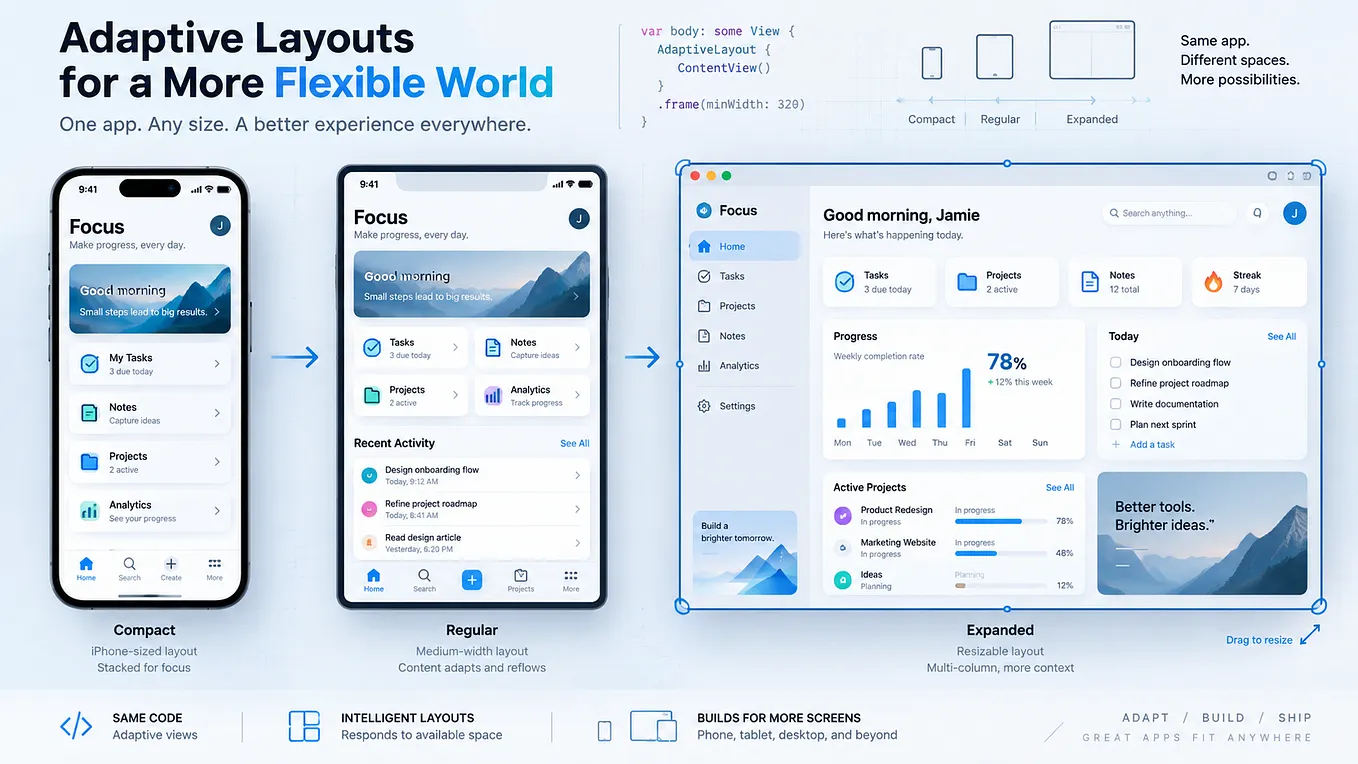
The interface still looks like JavaScript, React, or a desktop webview. Increasingly, the part doing the hardest work does not.


The most interesting shift in modern app development is not that JavaScript is disappearing. It is that more teams are quietly moving the expensive, fragile, performance-sensitive parts of their apps behind a .wasm boundary. MDN describes WebAssembly as something meant to complement JavaScript and run alongside it, and Rust’s own WebAssembly page makes the pitch even clearer: use Rust to “supercharge” JavaScript “one module at a time.”
That is why the phrase secret backend fits so well. In practice, the “backend” here is not always a server in the old sense. Sometimes it is a Rust module hiding inside a browser app. Sometimes it is a Rust-powered core inside a Tauri desktop shell. Sometimes it is a WebAssembly module running at the edge in a Cloudflare Worker. The UI stays familiar. The heavy lifting moves somewhere smaller, faster, and harder for users to notice.
The layer users never notice
What users experience is simple: the app opens quickly, scrolls smoothly, processes large files without drama, and…