Edison gave us more time to experience life


Before there was light, there was fear.
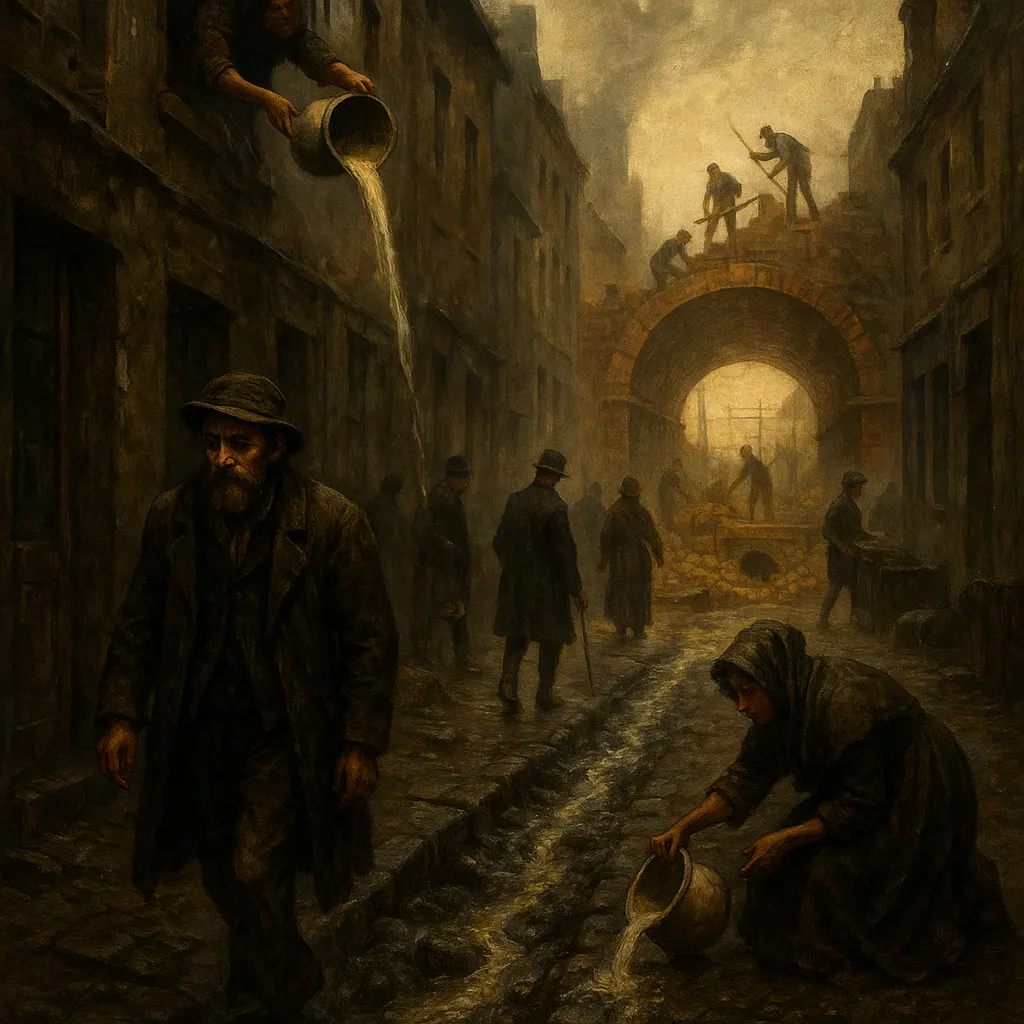
For most of human history, nightfall was not just a backdrop – it was an event. The sun dipped below the horizon and suddenly the world belonged to shadows. Darkness was a force of nature, vast and untouchable. It wasn’t just the absence of light; it was a living, breathing presence. The dark swallowed detail, hid predators, and stretched the imagination into terrifying shapes. It was when the wolves came. It was when thieves crept through alleys. It was when sickness seemed to deepen, when pain felt sharper.
And so, to fight back against this ancient enemy, we built small islands of light. A campfire in the wilderness. A candle in a church. A lantern swinging on a sailor’s deck. These were our shields against the dark – fragile, flickering defenses against something so much larger than us. Light meant survival. It meant safety. It meant a chance to see the face of your child, to read a map, to stitch a wound.
But these early lights came with a price. Fire burns. Fire consumes. The same flame that illuminated could also destroy. For thousands of years, to see at night meant to live with constant risk. A candle tipped over by a cat could wipe out a home. A spilled oil lamp could turn a whole street into an inferno. People didn’t just live beside light – they slept with danger.
In the 1800s, entire neighborhoods were still lit by whale oil or kerosene lamps. The smell of burning fat filled the air. Smoke stained walls black. Soot gathered on ceilings like a slow, creeping fungus. Children coughed in their beds as toxic fumes lingered through the night. And always, always, there was the fear: one gust of wind, one drunken stumble, one unlucky spark, and everything could vanish in flames. This was life before the light bulb – a world that slept in fear and woke up choking on smoke.
Then came Edison
In 1879, Thomas Edison didn’t just create a light bulb. People had been trying for decades to trap light inside a glass sphere, and some had come close. What Edison did was make it practical, make it safe, make it something you could actually buy and use in your home without worrying about burning the place down.
It’s easy to overlook the scale of that achievement today. Flip a switch, and a room fills with light. No effort, no danger, no waiting. Just… click. But that click was a revolution. It was the sound of humanity severing one of its oldest chains.
Get Richard (haxy.at)’s stories in your inbox
Join Medium for free to get updates from this writer.
People no longer needed to strike a match just to see in the dark. No more trimming wicks, no more refilling kerosene, no more soot on the walls, no more toxic fumes in a baby’s lungs. The danger was gone. Light became clean. Reliable. Stable.
A home without fire risk was more than just safer – it was freer. Parents could leave a light on for their children without fear. Hospitals could operate through the night without the anxiety of running out of oil. Streets could be lit without setting entire cities on edge
Imagine being a surgeon in the early 1800s. You have no antibiotics, no reliable anesthesia, and no clear light source. You’re racing against the sun because if darkness falls before you’re done, the patient might die simply because you can’t see. If you’re lucky, you have gas lamps. If you’re unlucky, it’s candles – flickering, unpredictable, sometimes extinguished by a sudden breeze or a careless bump. Surgeries weren’t just painful; they were rushed. Mistakes were common. Infection rates were catastrophic.
But perhaps the biggest shift wasn’t in hospitals or factories. It was in something so fundamental we barely notice it today: time itself. Before electric light, humanity lived by the rhythm of the sun. You woke at dawn. You worked while the sun was up. You wound down at dusk. When darkness came, life slowed, whether you wanted it to or not.
With artificial light, factories stayed open longer. Workers took night shifts. Production increased. The economy surged. People weren’t chained to daylight anymore. If a factory owner wanted to run machines 24/7, now he could.
But it wasn’t just about industry. Homes changed too. Families could eat late dinners together. Children could study long after school ended. People could read novels deep into the night. In a very real sense, electric light gave humanity extra hours of life. Hours that had never existed before.
People could choose when to sleep, when to work, when to gather. They weren’t prisoners of the sky. Night and day became less about nature and more about choice. The human relationship with time itself was forever altered.
Before streetlights, cities were terrifying after dark. Crime thrived in the shadows. Streets were empty. People stayed inside, bolting their doors as soon as the sun set. Then streetlamps came. Parks, alleys, sidewalks – all illuminated. Darkness no longer belonged to danger. It belonged to possibility. Crime rates dropped. People felt safe walking at night. Social life exploded. Theaters stayed open later. Bars, restaurants, and dance halls flourished. Night markets appeared. Nightlife as we know it – jazz clubs, neon signs, 24-hour diners – all of it was born under the glow of electric light. Cities didn’t just extend into the night. They transformed into something new: the 24-hour city. A place where darkness wasn’t an ending, but a different kind of beginning.
To bring electric light to every home, every street, every hospital, humanity needed something bigger – a system. Power plants had to be built. Wires had to be strung across towns, across countries. Entire industries were born to support this new web of energy. The grid wasn’t just infrastructure. It was the hidden skeleton of modern civilization. And here’s the thing: everything else came later. Refrigerators, radios, computers, smartphones – they all plugged into the same grid that was first built to power the humble light bulb.
Today, in 2025, light is so common we don’t even see it. You walk into a room, flip a switch, and barely notice the miracle that just happened. You scroll on your phone at 3 a.m., bathed in artificial glow, without a thought to the centuries of darkness that came before. This invention has become invisible and yet, if you look closely, you’ll see it everywhere. In the laughter spilling out of a late-night café. In the sterile glow of an operating room saving a life. In the quiet comfort of a child reading under a lamp.