Why Freight Brokers Keep Starting Over With Every Load
By Loadmii
The carrier that caused no problems last week may be the one nobody thinks to call this week. In a small brokerage, a shipment that runs smoothly can fade from attention as soon as delivery is confirmed.
Suppose a regular customer sends over another load on a lane the brokerage covered recently. The team recognizes the facilities. Someone remembers that the last carrier handled a changed pickup time without letting the shipment unravel.
That should give the next conversation a useful starting point. Instead, the broker starts working through available trucks again. The previous carrier’s name is somewhere in the load record, but nobody knows whether that trip fit its normal operation. Once the delivery paperwork arrived, the conversation ended.
The brokerage won another shipment. It still has to do much of the same work to find someone to haul it.
For a small team, that repeated search takes time away from customers who need answers and shipments already moving. And the carrier that handled the earlier load may have a suitable truck again, without knowing the brokerage has more freight in that area.
Building a carrier network starts to become useful when the broker learns what made a particular shipment work for both businesses.
An owner-operator might have accepted the first load because it brought the truck back toward a regular customer. That same lane could fit again next week. Another carrier might have been passing through on an unusual trip and rarely return. The two companies can look equally suitable in a completed load file while offering very different possibilities for future work.
A brief conversation after delivery can uncover that difference. Asking where the carrier usually runs, and when the truck tends to return to the area, gives the broker something specific to work with. It also gives the carrier a chance to explain what kind of freight would be worth hearing about again.
For the brokerage, the value is in remembering enough to make the next approach relevant. A carrier that runs through the area on Thursdays has little reason to keep answering offers that always require a Monday pickup.
Get DirectX MGT Inc’s stories in your inbox
Join Medium for free to get updates from this writer.
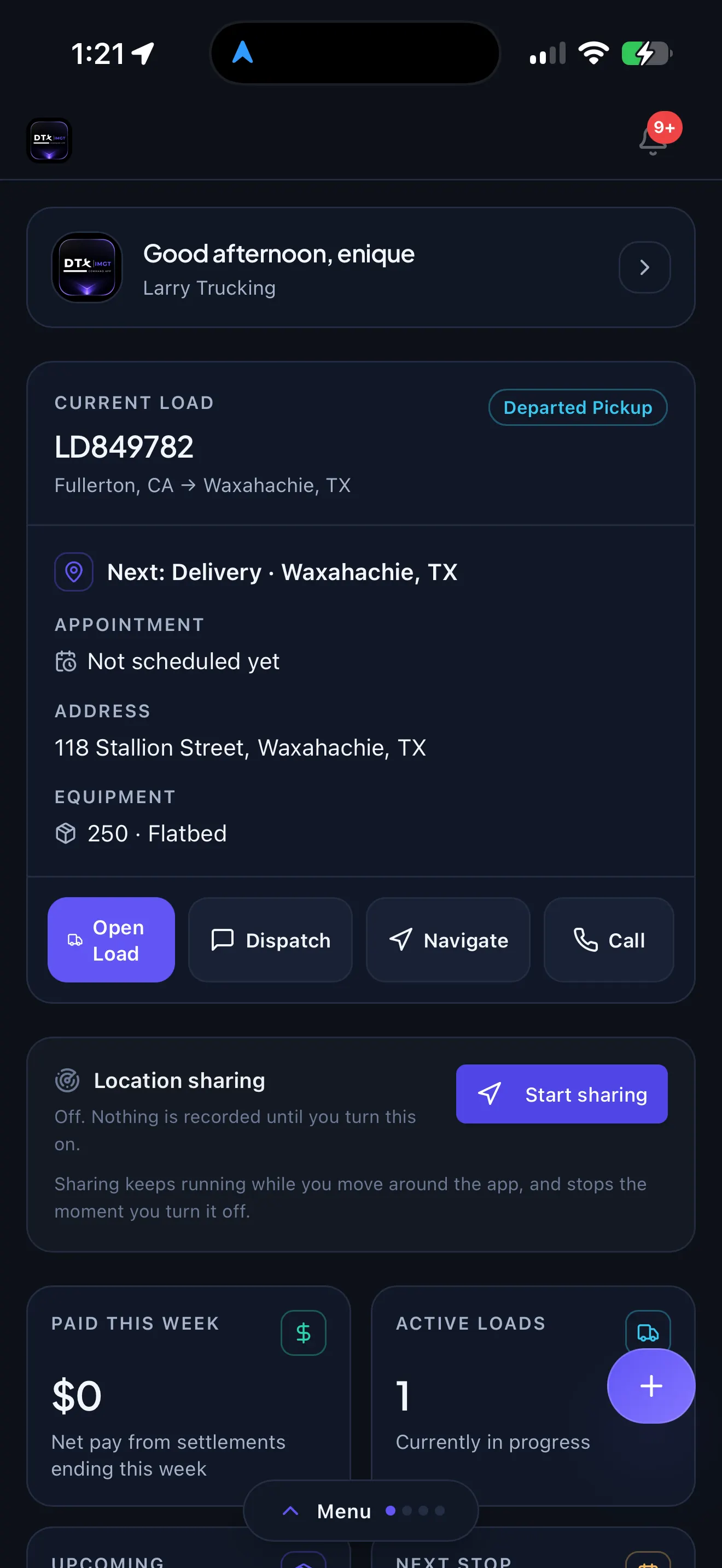
Loadmii’s Network Command supports that relationship building through company and professional profiles, business discovery, and connections. A broker can review the services and location a business has chosen to publish, then use the available contact or connection options to begin a conversation. The carrier can also learn about the brokerage before discussing work.
Once shipments move, Loadmii’s brokerage workspace provides the operational side: managing loads and their related documents. Those records let the team return to the details of an earlier shipment when considering the next one. What the business learned has a record beyond one person remembering a company name.
That becomes especially useful when a colleague takes over a customer’s freight. Knowing who handled the previous shipment allows a more informed call. The team can review the earlier job as it confirms current capacity and completes its carrier qualification process.
The carrier has its own reasons for deciding whether to take that call further.

A broker may remember a load as finished because the customer received it. The carrier may still be waiting for an answer about its invoice. If the next offer arrives before that question gets resolved, the conversation begins with unfinished business.
An article published by the Transportation Intermediaries Association identifies delayed payment as a reason carriers may avoid booking future loads with a broker. Following through on payment is part of maintaining the relationship after the transportation itself is complete. (news.tianet.org)
The details of the next offer matter, too. A carrier can make a better decision when the broker provides an accurate pickup window and explains any special requirements before a rate is agreed. Finding out about an extra stop after committing the truck can change whether the work fits at all.
These exchanges give both sides evidence about working together again. The broker learns whether the carrier communicates clearly and performs the agreed work. The carrier learns whether the brokerage’s description of a load holds up once the driver gets there.
For the familiar lane in this example, a follow-up could reveal that the carrier regularly returns to the pickup area on Thursdays. The next Thursday shipment would then give the broker a specific reason to call. The carrier would know why the offer made sense for its operation, and both sides could discuss the job with the previous trip in mind.
Explore Loadmii’s brokerage tools and Network Command to manage the shipments behind your carrier relationships and connect with businesses that may fit the freight you handle.