Seven Brain-Boosting Hobbies To Consider This Fall And Winter
Hobbies Are Healthier Than You May Think


Hobbies can do more than add flair to our lives; they boost our brain health in surprising ways.
People think the drawing, painting, and writing I do are hobbies and that I don’t need a hobby. Actually, those creative endeavors are also my profession. I create something every day to teach on YouTube or because I have commissions to finish.
This year, I wanted to pursue a hobby that impacts my brain health more, and you should too.
A hobby should be something you do for your brain health. Engaging in a creative activity for a few hours on the weekend or whenever you have time has loads of benefits, which I’ll get to.
These are the hobbies you may want to dabble in this fall and winter, and why you should:
Knitting
I’ve always wanted to try knitting because I miss making things. Knitting has a profound impact on the brain. Not only does the craft silence our minds, but it immediately puts us in a flow state.
Multiple studies show that knitting is a full neurological workout and exercises every part of the brain. I’m not going to throw scientific brain terms at you, but you should know all the brain-boosting benefits that knitting provides.
Knitting exercises the brain’s prefrontal cortex, which controls executive functioning, planning, sequencing, and active problem-solving. That’s one benefit I wanted to mention.
Drawing/Doodling
You don’t have to be an artist to draw or doodle. Drawing benefits mental and emotional well-being while easing symptoms of depression and anxiety.
Drawing also activates both hemispheres of the brain and ignites your imagination. If you’re experiencing creative blocks, drawing can remove those blocks so you can get back into a flow state.
Watercolor Painting
Next time you’re bored, instead of turning to your television, consider dabbling in watercolor painting. You don’t have to have fancy paper or brushes. You can spend a half hour or less experimenting with this medium.
Producing a painting, even a small piece, will leave you satisfied and eager to create more. It’s a relaxing activity and will make you feel centered and more grounded.
Adult Coloring Books
When I’m sitting in front of the television, I pull out a coloring book and colored pencils. Coloring doesn’t have to stop after the age of twelve. I know many adults over forty, myself included, who benefit from coloring a fun pattern.
Get Tessa Koller’s stories in your inbox
Join Medium for free to get updates from this writer.
Like all creative hobbies, coloring quiets the Amygdala in the brain. The Amygdala controls the fight-or-flight response. Coloring activates the Parasympathetic Nervous System, which regulates bodily functions such as digestion and heart rate, and lowers blood pressure.
Cooking/Baking
Cooking and baking have similar brain benefits as other creative hobbies. What’s great about cooking is that it’s all about sequencing and measuring. It forces us to be mindful and slow down.
What I love about cooking is how quiet my mind is and how focused I am. Cooking also activates the brain’s reward center. It’s rewarding to take small ingredients and create a big, delicious pastry or meal.
Photography
Photography is a calming and relaxing activity. Even on cold winter days, I’d bundle up and go to a nearby forest preserve to photograph cranes, herons, and other types of birds.
Birdwatching reduces stress, anxiety, and depression and increases mindfulness. You’re not thinking about anything else or obsessing over past mistakes. You begin to appreciate slower, mindful living.
Being in nature remedies emotional trauma and grief.
Origami/Paper Art
Origami or paper art is so much fun to experiment with! Folding paper and creating shapes or structures improves your focus and stimulates the brain’s reward center.
More than that, paper art makes you appreciate the intricacies of creating structures from an unlikely material.
Folding paper to create geometric shapes improves hand-eye coordination and focus.
Concluding Thoughts
Before 2026 flits by, consider trying a new hobby for your brain health. If you’ve found yourself saying, “I’ve been wanting to try knitting for months but have no time for that.”
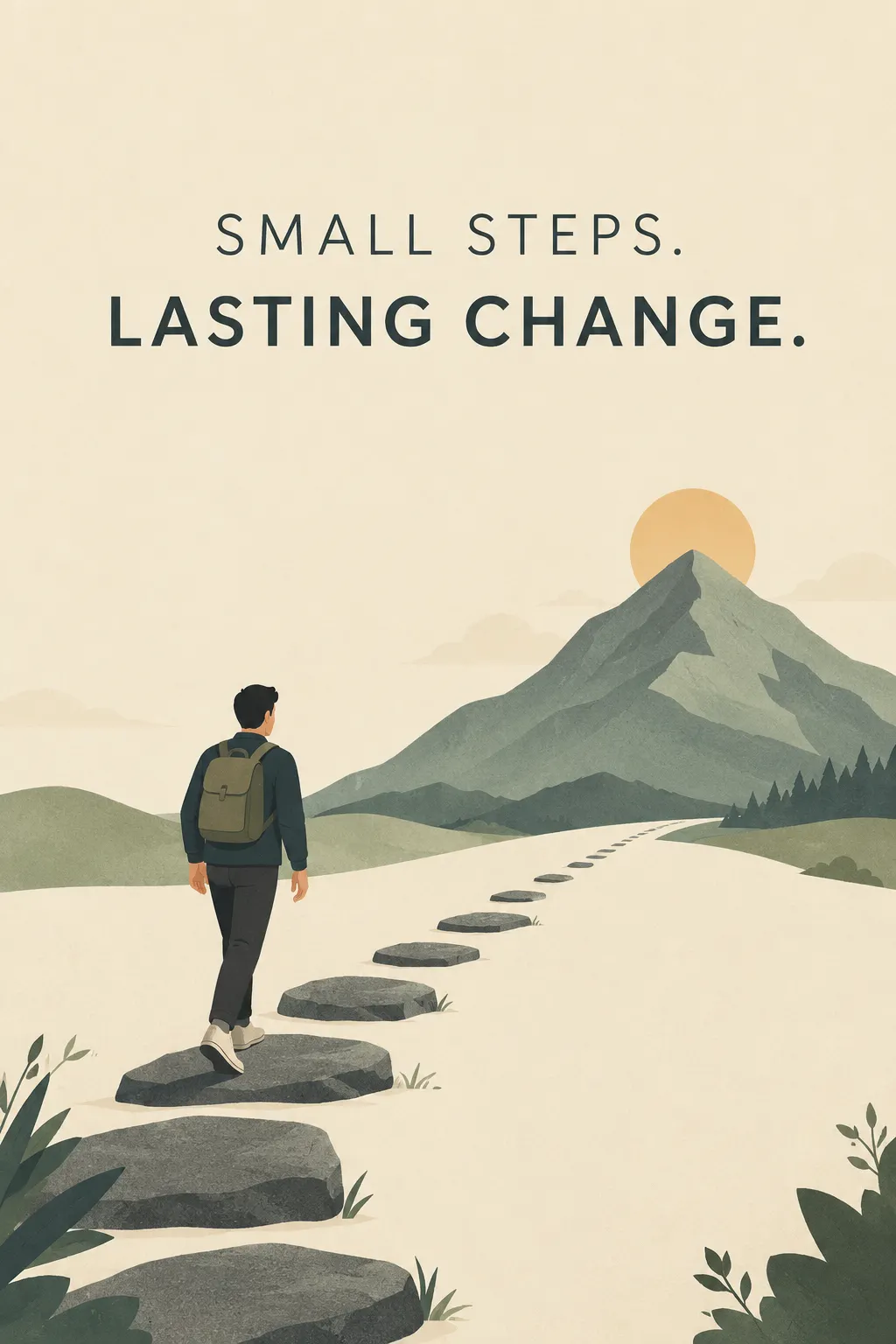
Do what you can to make time.
I am guilty of thinking the same thing — that I want to try knitting or another creative hobby but have no time. So I’m forcing myself to spend one hour a day, maybe in the evenings, to try something different.
The best time to engage in a creative activity, I think, would be during your evening routine. I’m going to give this a try and see what happens. You can follow along more on my creative journeys on my Instagram at Tessa Koller Art, if you wish.

Thank you for reading. If you are new to my blog or have been with me for a while, feel free to comment and introduce yourself. It always makes my day when I know people are reading my blog.
Please subscribe to my blog to receive my articles by email. Thank you for reading and supporting me!
Before you go, check out my YouTube Channel, Tessa Koller Art, where I teach watercolor and colored pencil mediums and discuss marketing, creativity, wellness, and various lifestyle topics. I hope you subscribe and follow along!