Who is your employee’s therapist? The always on AI.

Only 4% of employees use their company’s EAP. The easy read is that the other 96% are fine. The accurate one is that they are getting help somewhere else.

For years nobody could say where. EAP usage has sat in single digits for a benefit most companies pay for on behalf of every employee. That number is old news. What changed is the destination. Recent surveys show employees are far more comfortable discussing daily work stress with an AI chatbot than with HR.
You will not see this in a usage report. It happens behind the scenes, and it surfaces anecdotally.
Why chatbots are winning
Five barriers block EAP use: awareness, stigma, privacy, complexity, and limited resources.
Complexity disappears. Nobody digs through a portal or calls during business hours. They type a sentence and get pointed somewhere, after hours or at lunch. Stigma eases too, since it is a judgment-free space before talking to a person.
Awareness does not move. If someone does not know the benefit exists, a chatbot will not tell them. That stays with the employer. Otherwise people are talking to a tool that offers solutions without access to the help they need.
What people get wrong about privacy
The misconception is that AI carries the same confidentiality as therapy. It does not. On a personal account, that data belongs to the AI company, not even the employer. On a work tool accessed through a work email, there can be reporting nobody realizes is there. Shared ChatGPT and Claude links can be public once shared.
Get Wellness360 Inc’s stories in your inbox
Join Medium for free to get updates from this writer.
The rule: ask whether your employer can see it before typing something you would not want repeated.
The tricky part
Many organizations now tell HR to discourage consumer AI for mental health support. Samantha Levin of Wellness360 agrees, with one exception.
People should not rely on AI for anything beyond quick questions. It cannot see the full picture, and that matters most in a crisis. It will suggest meditation and journaling while missing what is underneath. Useful for quick exercises and for pointing someone to a therapist or crisis line. Not for anything deeper.
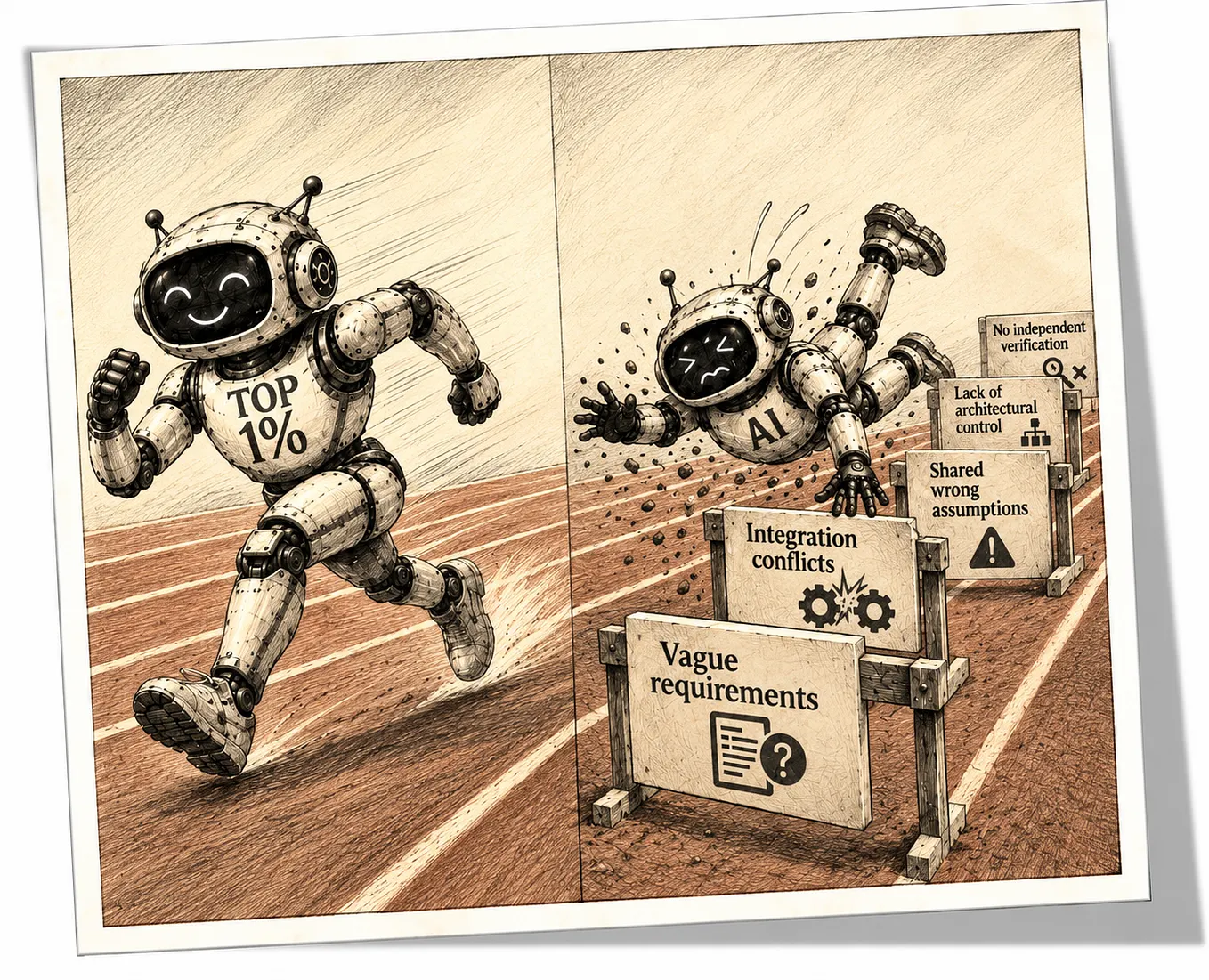
Two studies look contradictory. Therabot reports a 51% drop in depression symptoms. Stanford found bots respond appropriately 60% of the time against 93% for therapists. Not a conflict, a blueprint. AI reduces symptoms and lacks clinical safety. Steer people to human support instead of leaving them in the chat.
The same applies at the org level. Automated tools running high-stakes decisions or public content without human review go wrong.
What actually makes a difference
Train managers to catch it when someone mentions leaning on a chatbot, and give them a next step: a name, a number. Recognition is the whole thing. That one step turns a chatbot conversation into real help.
What backfires is banning it. People do not stop, they stop talking about it, and the one visible signal disappears. Policy alone does not change behavior. Manager training plus a clear escalation path does.
Underneath it is an uncomfortable truth about program design. These programs require someone to admit they are struggling before they can get help. AI removed that step.
Companies should encourage people to seek support in a way that reduces stigma rather than adding to it. Most of the difficulty traces back there. Accessible resources matter most in a crisis.