Member-only story
AI tooling for SREs

TL;DR
- Almost every observability vendor and cloud provider now ships an agent that investigates alerts on its own. Most teams still keep a human between the agent and production changes.
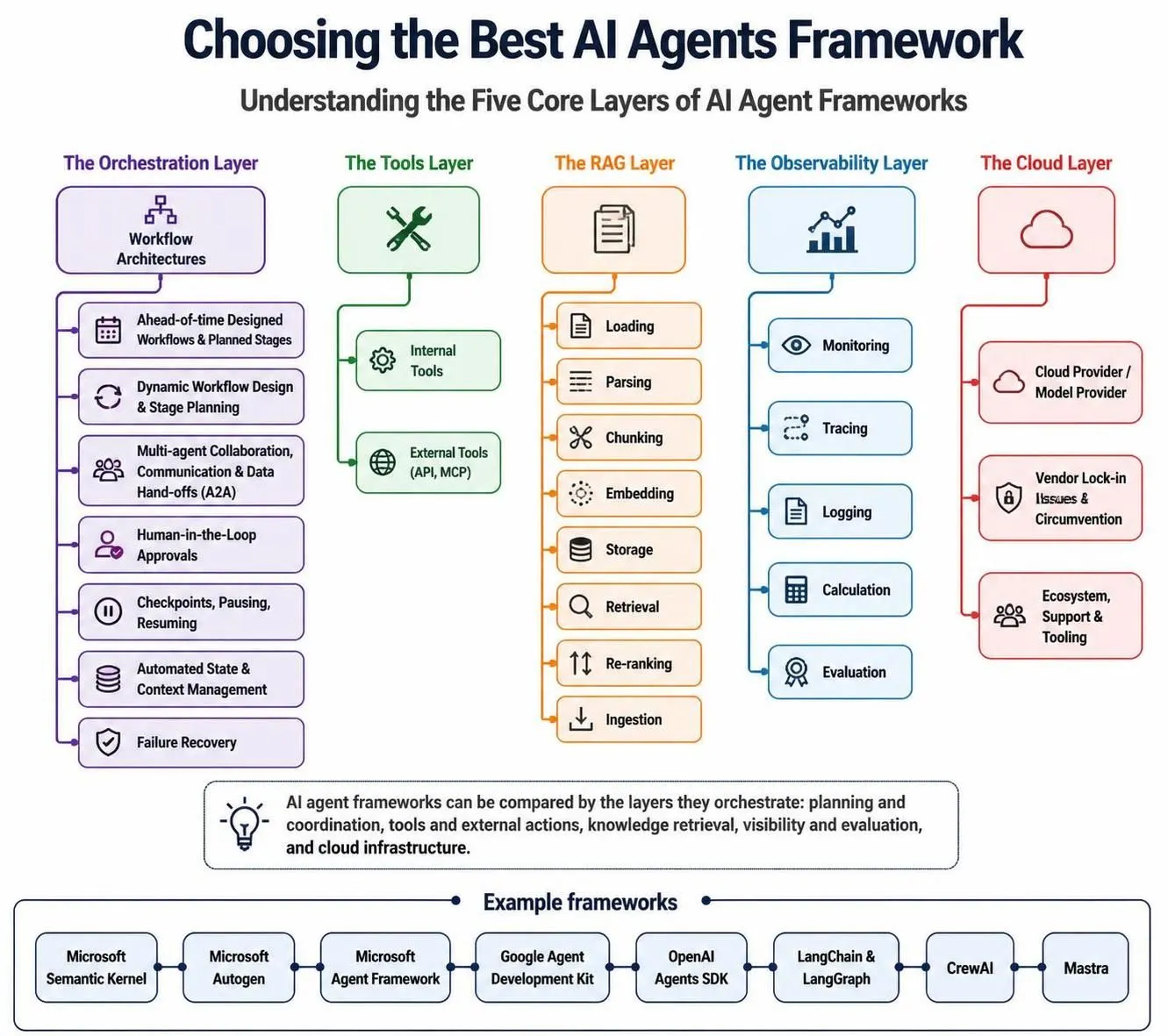
- An agent is only as good as the context it can see and the tools it can call. Ownership, telemetry, change history and alert quality decide how far it gets.
- Measure utilization, accuracy, impact and cost on top of your core reliability metrics, with a baseline taken before rollout.
Last verified against vendor docs: 15 Oct 2026
If you have been on call for a nasty production incident and tried to figure out what’s happening, jumping from console to console and checking logs across multiple systems, you have felt the pain of a real site reliability engineer. I am coming from an SRE background, so I have definitely been there.
AI and agents have gone mainstream for code generation, but they are trending up in the SRE tooling category as well. Let’s take a look at how this space is evolving as almost every observability vendor and cloud provider now ships an agent that investigates alerts on its own.
Where AI fits in the SRE workflow
Detect and triage: This is the oldest and most proven use of machine learning in operations. Tools group related alerts and manage noise. Event correlation platforms such as BigPanda and ServiceNow have done this for years.