What is a usual lifespan of Sheet Piles?

Steel sheet piles can be hot rolled or cold rolled. Hot-rolled sheet piles are formed at high temperatures, making them tougher and having tighter, manufacturer-specific interlocks suitable for heavy-duty applications like permanent sea walls and deep foundations. Cold-rolled sheet piles are formed at room temperature from a hot-rolled sheet, resulting in better dimensional accuracy, and more universal interlocks that are often easier to install, making them cost-effective for lighter, temporary projects.
Hot rolled steel sheet piles are designed to provide long-term strength and can last 50–125 years. Cold rolled steel sheet piles on the other hand are meant for temporary projects and have a limited lifespan due to lower strength compared to hot-rolled versions. Their surface can be more susceptible to corrosion than hot-rolled piles, though this can be managed to a limited extent with protective coatings.
The Lifespan of Different Sheet Pile Materials
Steel Sheet Piles
Steel sheet piles remain the most widely used solution worldwide. They are strong, versatile, and suitable for both temporary and permanent works. When designed correctly, steel sheet piles can last upto 50–125 years in inland conditions. In aggressive marine or tidal environments, that figure can reduce without protection, but with sacrificial thickness, coatings, or cathodic protection, service life can exceed upto 100 years.

Vinyl or Plastic Sheet Piles
Vinyl sheet piles do not corrode and can last 50 years or more. They are lightweight and easy to install, making them popular for landscaping, erosion control, and canal or riverbank works. However, they are not suitable for heavy structural retaining walls where high load capacity is required.
Can Steel Sheet Piles Be used for permanent application?
While sheet piles are usually meant for temporary applications like cofferdams or excavation support, they are a proven solution for permanent application due to their long lifespan even in most challenging conditions.
Permanent Sheet Piling Applications
- Flood protection
- Retaining walls for infrastructure and highways
- Basement construction
- Quay walls and marine structures
For permanent works, sheet piles are designed with a service life of 50–125 years, using corrosion protective systems. This makes them one of the most durable and cost-effective retaining solutions in the market.

Do Steel Sheet Piles Rust?
Corrosion is one of the most common concerns. Steel sheet piles do rust, but it is manageable.
Corrosion Rates in Different Environments
- Inland soils: Low corrosion rates; piles can last decades without heavy protection.
- Freshwater environments: Moderate corrosion; coatings recommended for longer life.
- Marine and tidal conditions: High corrosion. Without protection, lifespan is reduced, but sacrificial thickness or cathodic protection ensures long service life.
Protection Methods
- Coatings such as bitumen, epoxy, or polyurethane extend lifespan.
- Sealants applied to interlocks prevent seepage and reduce corrosion at joints.
- Cathodic protection (an electrical current or sacrificial anode system) is used in marine works to slow or stop corrosion.
- Sacrificial thickness is designed into the steel so some corrosion can occur without affecting long-term strength.
Are Sheet Piles Watertight?
Get Sunil Newatia’s stories in your inbox
Join Medium for free to get updates from this writer.
Sheet piles can reduce water flow but are not completely watertight on their own. The interlocks between piles do limit seepage, but small amounts of water may still pass through. However, there are some measures which can enhance their capability to restrict water ingress:
To achieve watertightness in critical applications following methods / materials can be used:
- Bituminous sealants for general seepage control
- Polyurethane sealants for more resilient performance
- Hydrophilic compounds, which swell on contact with water, ensuring a tight seal in flood defences or basements

Installation method and Its Impact on Lifespan
The quality of installation plays a key role in how long sheet piles last. Poor installation can damage protective coatings, misalign interlocks, or cause unnecessary stress to the steel.
Driving Methods
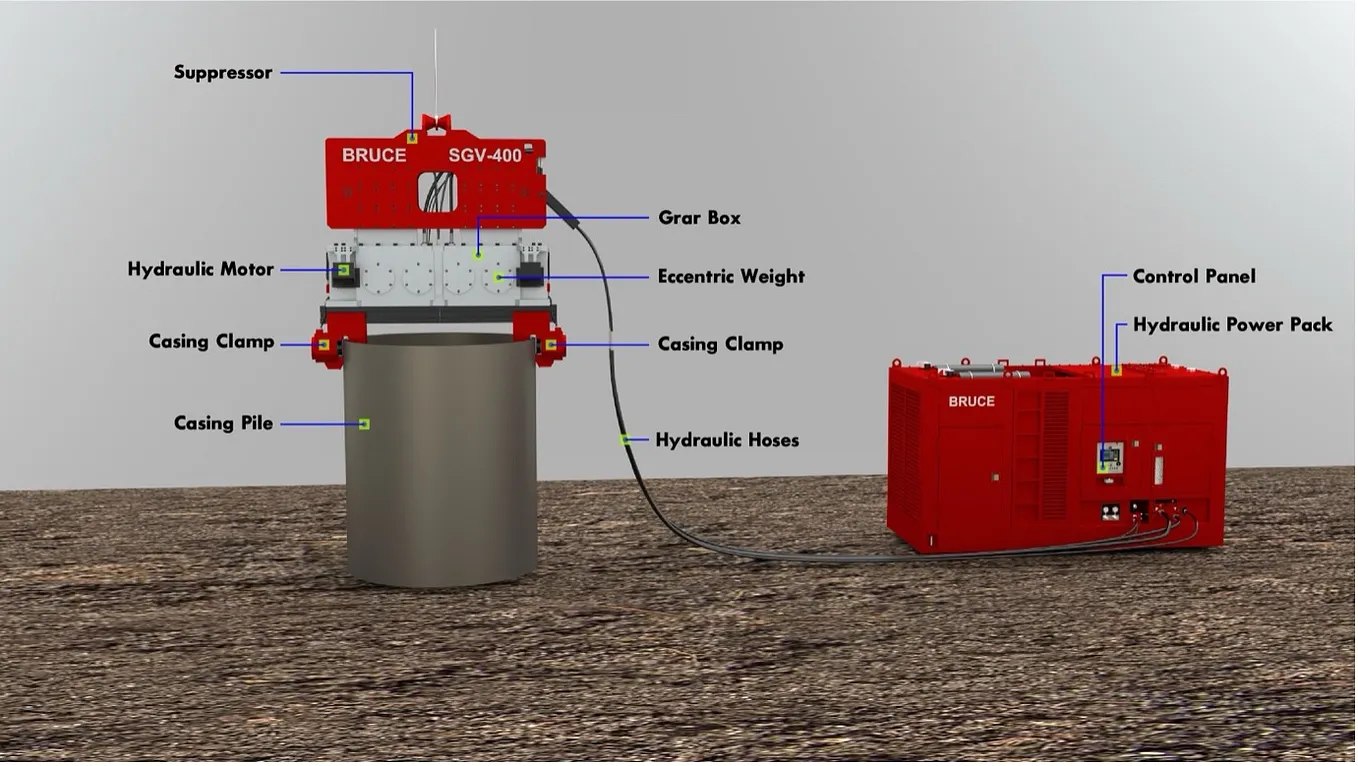
- Vibratory hammers: Most popular and most widely used, fast and efficient in granular soils. Pre-drilling can be used to loosen the hard soils to enable Vibratory hammers to drive the sheet piles easily in challenging conditions.
- Impact hammers: Used where refusal is an issue, though care is needed to avoid overstressing piles.
- Side-grip piling: Allows precise placement and safer installation in restricted spaces.
- Silent piling systems: Press-in technology ideal for no noise, no vibration sites or sensitive urban sites.

Designing for Longevity
To ensure sheet piles last as long as possible, following measures can be taken at design stage.
- Choosing the correct steel grade for strength and durability
- Applying protective coatings during manufacturing
- Adding sacrificial thickness for corrosion allowance
- Designing interlocks for watertightness
- Including cathodic protection in aggressive marine environments
Permanent sheet pile walls need to be checked regularly for:
- Exposed pile heads for corrosion or damage
- Sealant condition in interlocks
- Welds and connections in capped structures
Preventative maintenance adds decades to service life of sheet piles.
#Suretech is your trusted partner when it comes to advise on what equipment to buy? Call 1800 120 7873 sales@suretech.co.in or visit us at www.suretech.co.in