Why Organic Farming Feels Slower — but Works Deeper
Understanding the long-term thinking behind sustainable agriculture


When people look at organic farming, the first thing that strikes in mind is how slow it feels.
The crops may take longer. The process looks less aggressive. The results are not always immediate. In a world where everything seems to be fast, organic farming can sometimes appear inefficient.
I used to think that way too.
But the longer I work in fields, the better I understand that organic farming is not about quick wins. It is built around depth. Healthy soil, balanced ecosystems, long-term productivity, and sustainability are traits that take time to create. And once you understand that, you strive to have better relationships with farming.
Over the years, through my work in sustainable agriculture and organic farming, I have learned that slower doesn’t mean weaker. In many cases, it means a stronger future.
1. Organic Farming Focuses on the Soil First
One of the biggest differences between chemically intensive farming and organic farming is the mindset behind it.
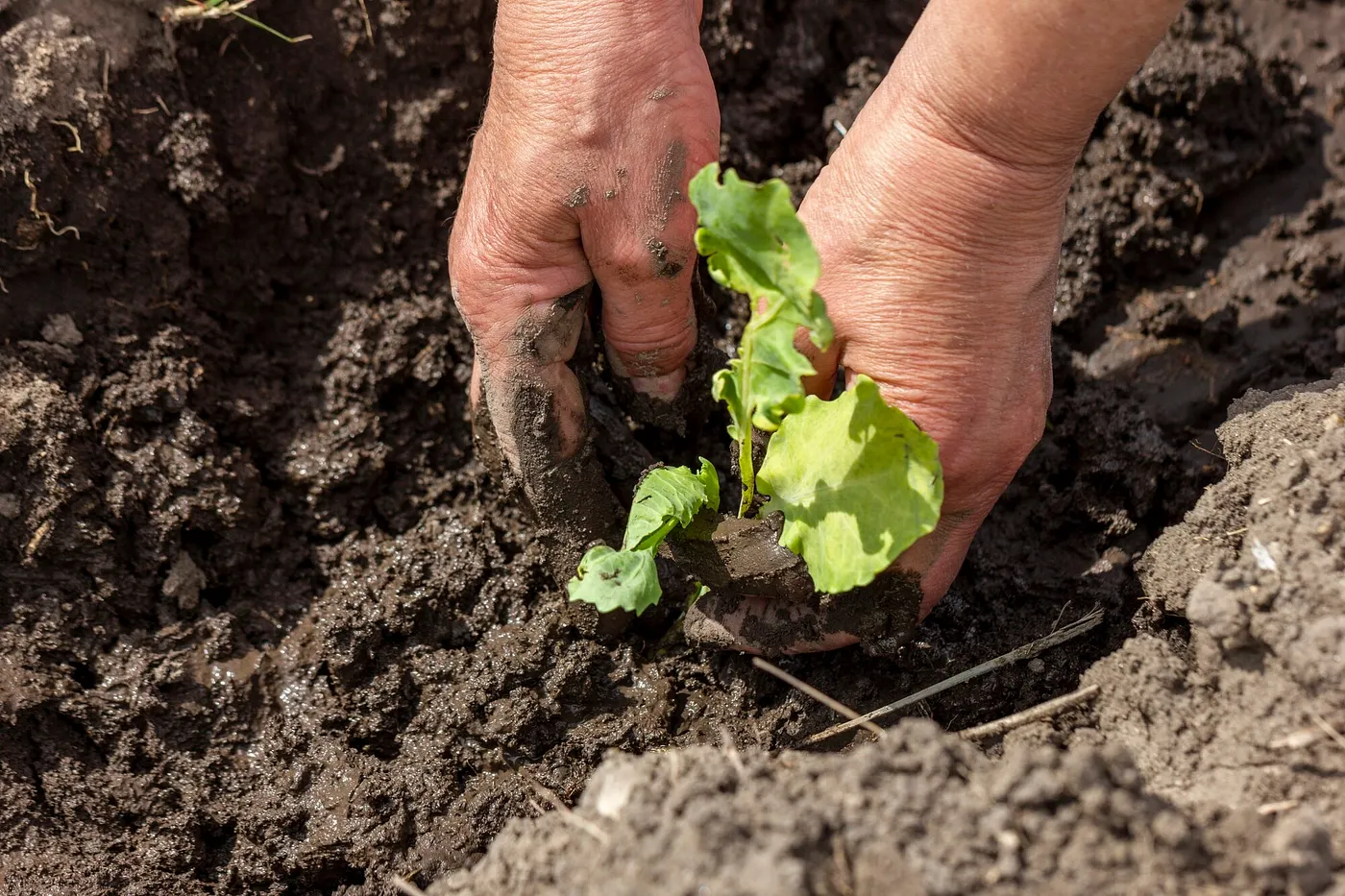
Conventional systems often have a mindset of maximizing immediate output. On the other hand, organic farming focuses on building healthy soil, which would be productive for years to come. For that, the process cannot be rushed.
I still remember visiting the parts of farming, where the soil had become tired after years of chemical interference with it. The crops were growing, but the land itself seemed lifeless. That stayed with me.
In organic farming, improving soil health is the daily core part. Composting, crop rotation, natural fertilizers, and water conservation all take patience. But over time, land starts to respond differently. The soil becomes richer, water retention improves heavily, and the farm becomes more balanced naturally.
2. Nature Does Not Work on Human Deadlines
One lesson farming repeatedly teaches is that nature moves at its own pace.
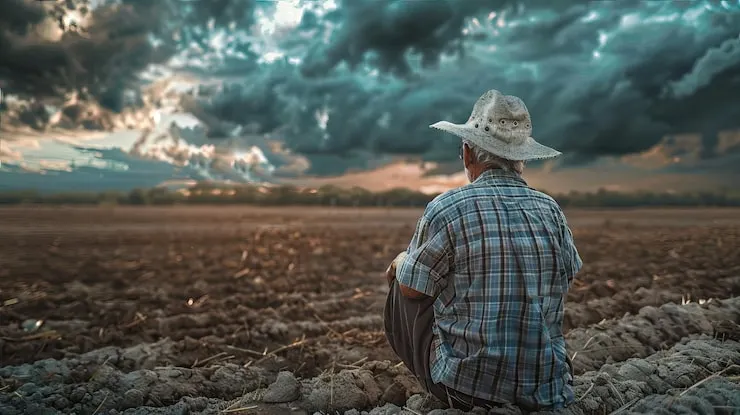
You cannot force the seed to grow at your pace just because the market demands it. You cannot repair damaged soil within a week. Organic farming reminds you that some of the things or important changes will happen slowly and invisibly.
Get Harisharan Devgan’s stories in your inbox
Join Medium for free to get updates from this writer.
There were seasons when I questioned my hard work, whether the effort I made was worth it. However, I know it from my heart that organic farming attempts can be difficult. In my journey, setbacks became part of the learning process before things began stabilizing.
But that slow process helps a lot as a teaching: Sustainability is not created in a hurry. Real resilience takes time to build.
3. Organic Farming Demands Observation, Not Just Action
Modern agriculture pushed almost every farmer towards constant intervention — more chemicals, more inputs, more corrections.
Organic framing forced me to be more observant in nature.
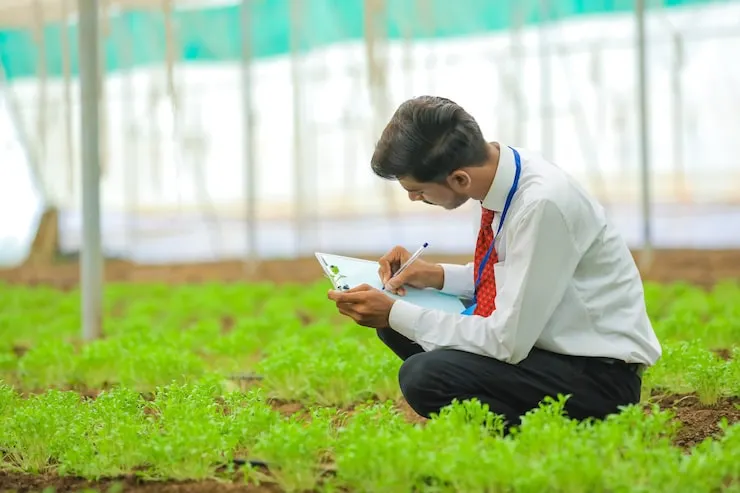
You started paying attention to every detail people usually ignore — soil texture, moisture levels, insect behaviour, weather patterns, and plant response. Framing is less about intervening in nature its about understanding nature.
That shift changed the whole perspective for me. I stopped looking at farming as a production house and started seeing it as a long-term relationship with the land.
Ironically, slowing down helps me to make better decisions.
4. The Long-Term Results Go Beyond Crops
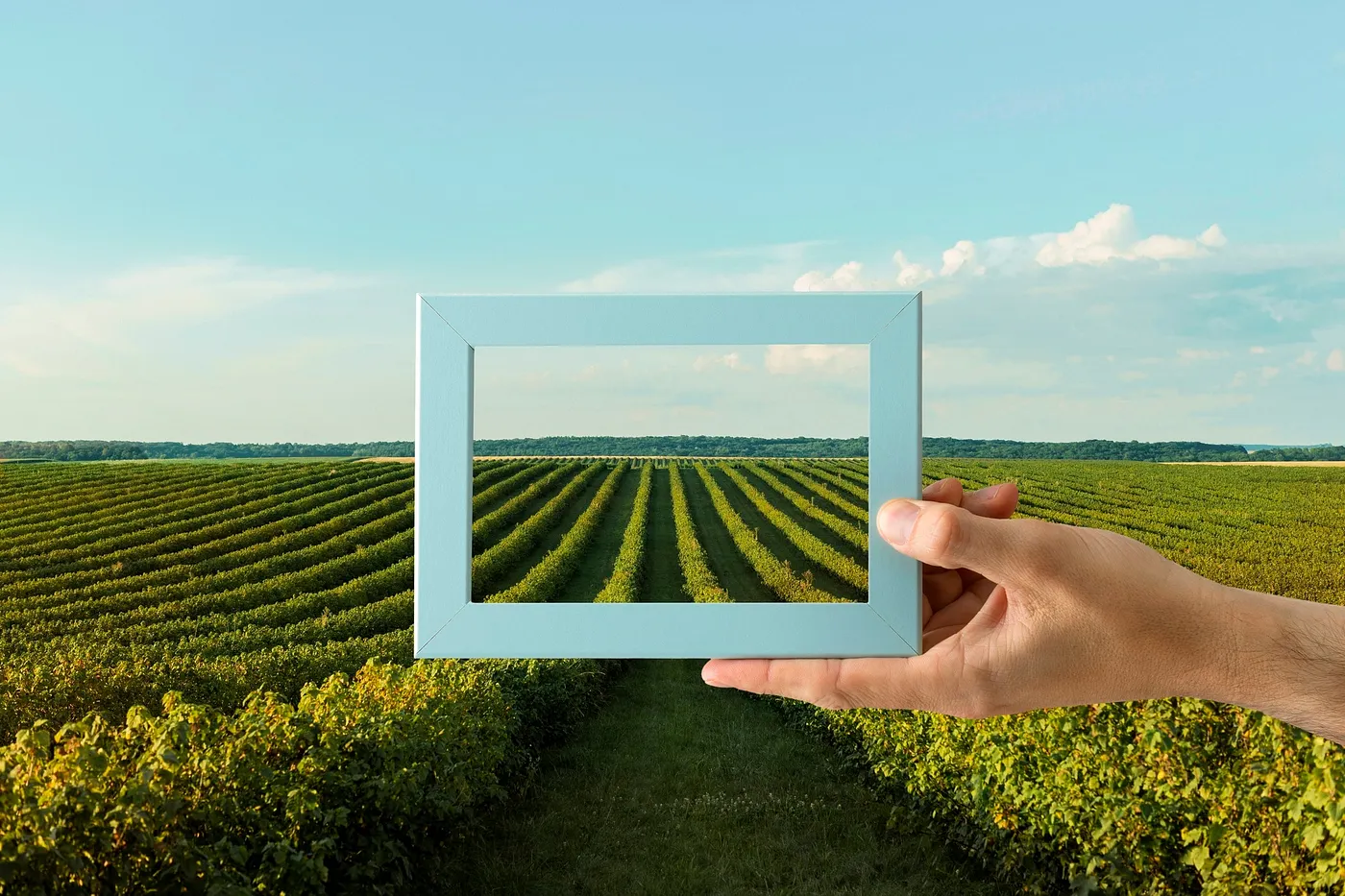
The deeper impact of organ farming is not limited to what grows in the field.
Sustainable agriculture impacts water quality, biodiversity, farm health, and environmental balance, and even balances the economic ability of farming communities. Over time, I understand organic farming is not just about producing clean food — it is about a creative system that thrives for generations to come.
That long-term thinking showed many innovative connections to my work today, which includes sustainable agriculture, renewable energy, and efforts focused on improving farming ecosystems rather than only increasing short-term production.
Organic farming may feel slowed in thin fast paced world, but beneath the slower pace, a deeper thing is happening.
The land heals gradually. Farmers learn gradually. Systems become stronger gradually.
And that is a lesson that you can learn through it.
The strongest things in nature are rarely built overnight. Neither is sustainable agriculture.