Python rewards clarity. The snippets below collect the most useful patterns from a series of short lessons — list comprehensions, structural pattern matching, modules, data structures, control flow, OOP, file handling, and more — into one readable guide. Each section stands alone; read what you need.
Press enter or click to view image in full size
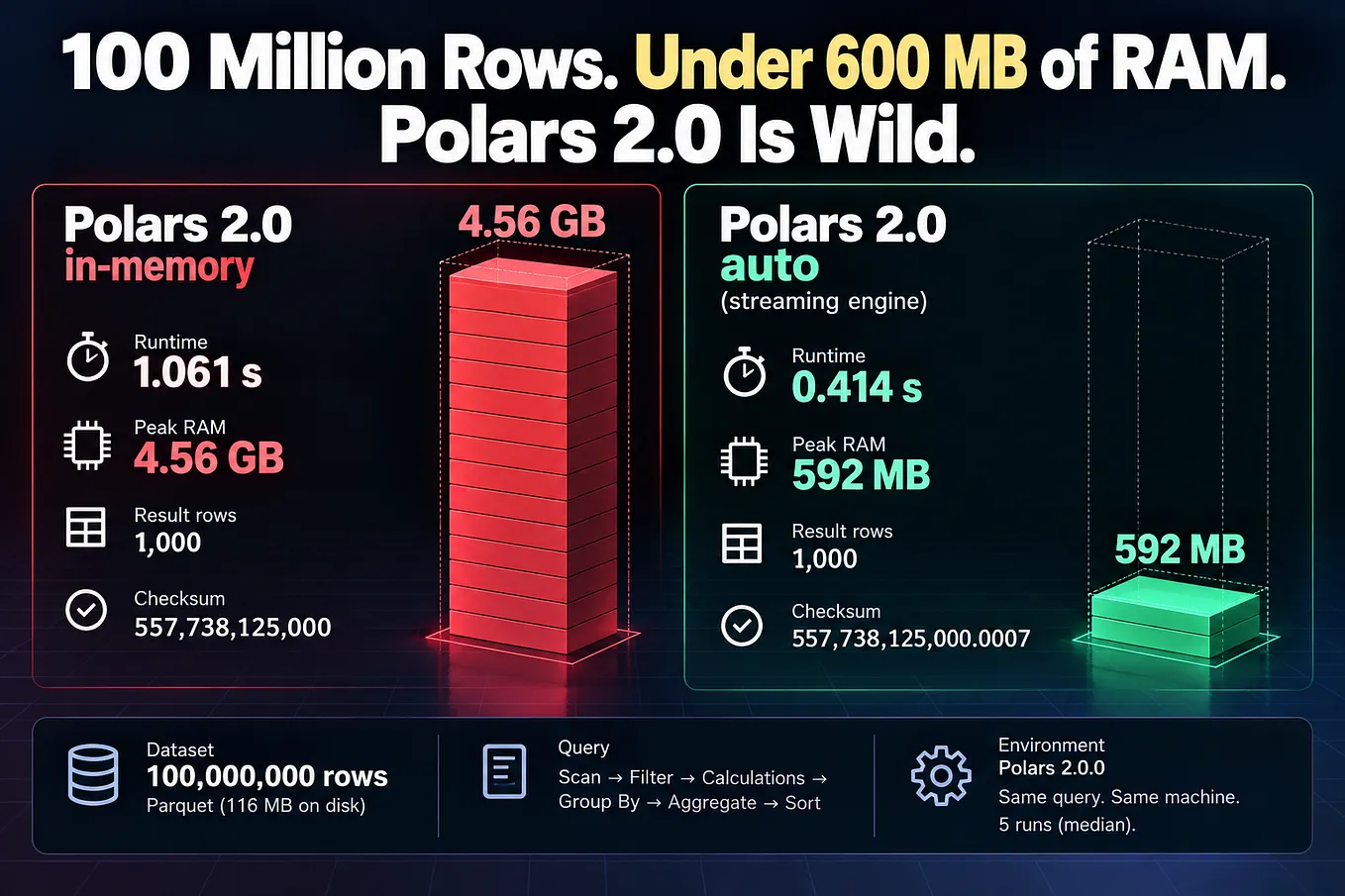
Visual Graphic of Cleaner Python: Practical Patterns for Everyday Code
List Comprehensions Instead of Manual Loops
Beginners often write:
Python
numbers = [1, 2, 3, 4, 5]
doubled = []
for n in numbers:
    doubled.append(n * 2)
The same result fits in one line:
Python
doubled = [n * 2 for n in numbers]
The general form is:
Python
[expression for item in iterable if condition]
Use the optional if when you need filtering. Prefer comprehensions for simple transformations; keep an explicit loop when the body grows complex.
Match-Case for Clean Multi-Way Branching
Long chains of if/elif/else become hard to scan. Python’s match statement (3.10+) is the modern alternative:
It's a good article apart from the sections on polymorphism and abstract base classes. Your examples are basically the same and doesn't really illustrate the difference. Abstract base classes are just a form of polymorphism that requires inheritance…