Member-only story
The Fruit That Became a Pattern
Raw mangoes, family recipes and how a sour green fruit behind the world’s most travelled paisley motif

The first kairi, also known as raw mango, of the season, arrives with a promise of a fresh start, quite literally. The states of Tamil Nadu, Karnataka, and Maharashtra celebrate their new year with this sour green fruit in hand.
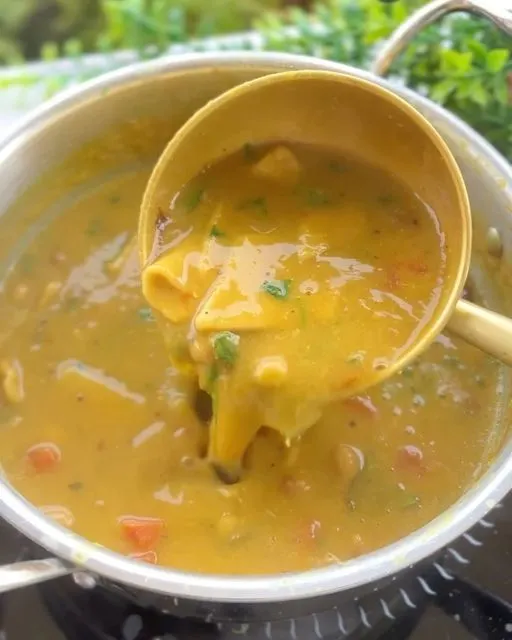
Every household, every kitchen has its own way of marking its arrival — sliced thin with salt and chilli, grated into a dal, cubed into a pickle, boiled into a sherbet, left out in the sun to dry, mixed with sugar to make a sun-cured jam … the variations are many, and they are mostly never pulled from a recipe book.
They are passed down through generations, carried from hand to hand, because there is always someone’s nani (maternal grandmother) who makes it better than your mom, and there is always your mom’s version that quietly outshines someone else’s.
That’s how it travels, a recipe, I mean, through people instead of recipe cards and books. The way birds spread seeds, humans in kairi season spread its many versions from kitchen to kitchen, each adaptation equally beloved, each one convinced it is closest to the original.