A Morning With the African Student Community: AI, Questions and a Lot of Energy


Last week, I spent a powerful session with the African Community of Students at Universal AI University, exploring how AI is changing the real world. The experience stayed with me long after the session ended.
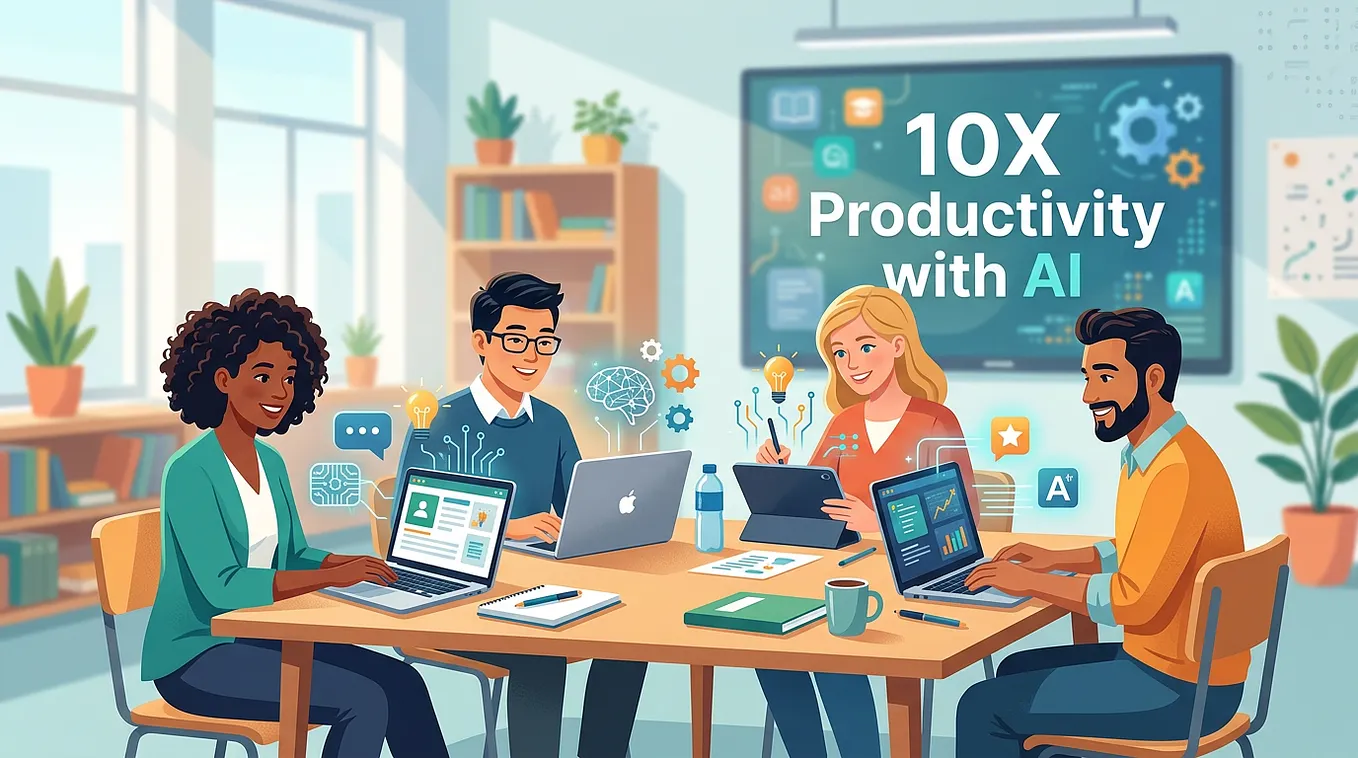
From the very beginning, the students brought energy, curiosity, and a genuine hunger to learn. This was not a quiet, one-way lecture. It was a room full of questions, experiments, and “what if” moments.
Moving beyond AI theory
Many conversations around AI stay at the level of definitions and buzzwords. In this session, we did the opposite. Students got to work directly with AI tools, try prompts, test ideas, and see instant results on their screens.
This hands-on practice did three important things:
a. It reduced fear and hesitation about AI.
b. It showed how accessible these tools actually are.
c. It turned abstract concepts into visible outcomes.
Once students saw AI generating text, images, and ideas based on their inputs, they began to imagine how these same tools could fit into their careers and daily lives.
Real-world applications in focus
Instead of talking about AI in a vacuum, we explored concrete use cases. We discussed how AI can support:
a. Learning: summaries, explanations, language support.
b. Careers: building CVs, interview preparation, and portfolio ideas.
c. Entrepreneurship: market research, content creation, and idea validation.
Get Bhupendra Mishra_Dr’s stories in your inbox
Join Medium for free to get updates from this writer.
The aim was clear: AI is not just for tech experts; it is a partner that any student, from any discipline, can use to grow.
A truly global classroom
One of the most beautiful parts of the session was the room's global perspective. Students from the African community brought in examples, challenges, and opportunities from their own countries and contexts.
We discussed:
a. How AI can support emerging economies.
b. Why local context matters in AI solutions.
c. How students in India and Africa can learn from each other’s journeys.
This mix of perspectives made the session richer and more grounded in reality.
If I had to summarise the session in one simple flow, it would be this:
“Curiosity → Creativity → Confidence”
a. Curiosity pushed students to ask, “What can this tool do?”
b. Creativity helped them try new prompts, tasks, and use cases.
c. Confidence came when they saw, “Yes, I can use this in my own life.”
By the end, many students were not just learning about AI; they were already imagining how to use it in their studies, careers, and communities.
Sessions like this remind me why AI in education matters. When students get a chance to explore, experiment, and reflect, AI becomes more than a buzzword. It becomes a tool for empowerment.
A question for you
How do you think AI will shape student careers in the next five years? Will it be a threat, a tool, or a teammate?
I would love to hear your thoughts.