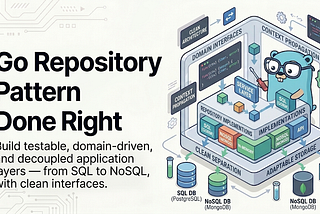
PinnedFeildrix·May 14Go Repository Pattern Done Right: Clean Data Layer in GoPart of the Go Production Series — a collection of opinionated, battle-tested patterns for building Go services in the real world.A response icon3A response icon3
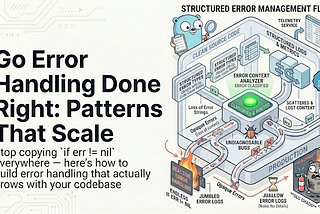
PinnedFeildrix·May 7Go Error Handling Done Right: Patterns That ScaleStop copying if err != nil everywhere — here's how to build error handling that actually grows with your codebase
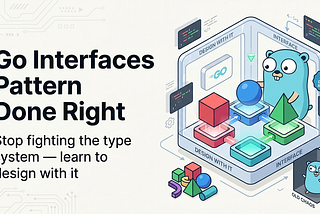
PinnedFeildrix·May 5Go Interfaces Pattern Done RightStop fighting the type system, learn to design with it
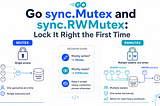
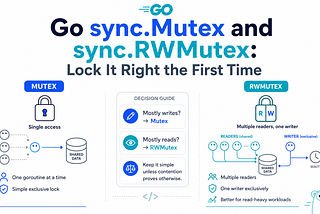
Feildrix·Jun 30Go sync.Mutex and sync.RWMutex: Lock It Right the First TimeStop treating mutexes as an afterthought — your production service’s correctness depends on them
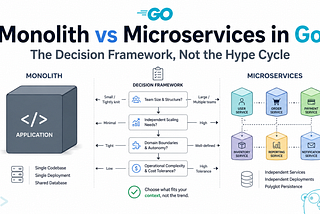
Feildrix·Jun 29Monolith vs Microservices in Go: The Decision Framework, Not the Hype CycleWhy Go’s tooling makes the modular monolith the safer default — and exactly when it’s worth paying for the split
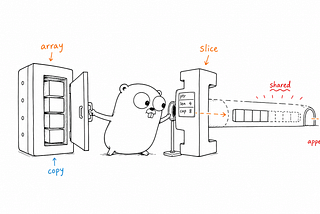
Feildrix·Jun 11Go Arrays vs Slices: A Deep Comparison That Will Change How You Write GoThe most misunderstood duality in Go — and the subtle bugs it quietly ships to production
Feildrix·Jun 9Concurrency vs Parallelism in Go: They’re Not the Same ThingStop Using These Words Interchangeably — Your Production Code Depends on It
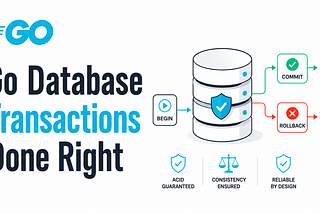
Feildrix·Jun 8Go Database Transactions Done RightThe defer trick, the DBTX interface, and how to keep transactions clean across your repository.A response icon3A response icon3
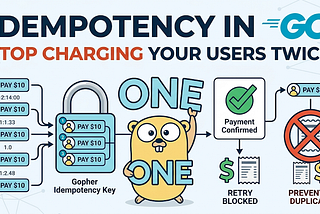
Feildrix·Jun 1Idempotency in Go: Stop Charging Your Users TwiceA practical guide to building retry-safe APIs with idempotency keys, atomic stores, and Go middleware — before the 2 AM incident happens
Feildrix·May 29CORS in Go: From “Blocked by Policy” to a Secure ImplementationCORS is not a server feature — it’s a browser security mechanism.A response icon1A response icon1