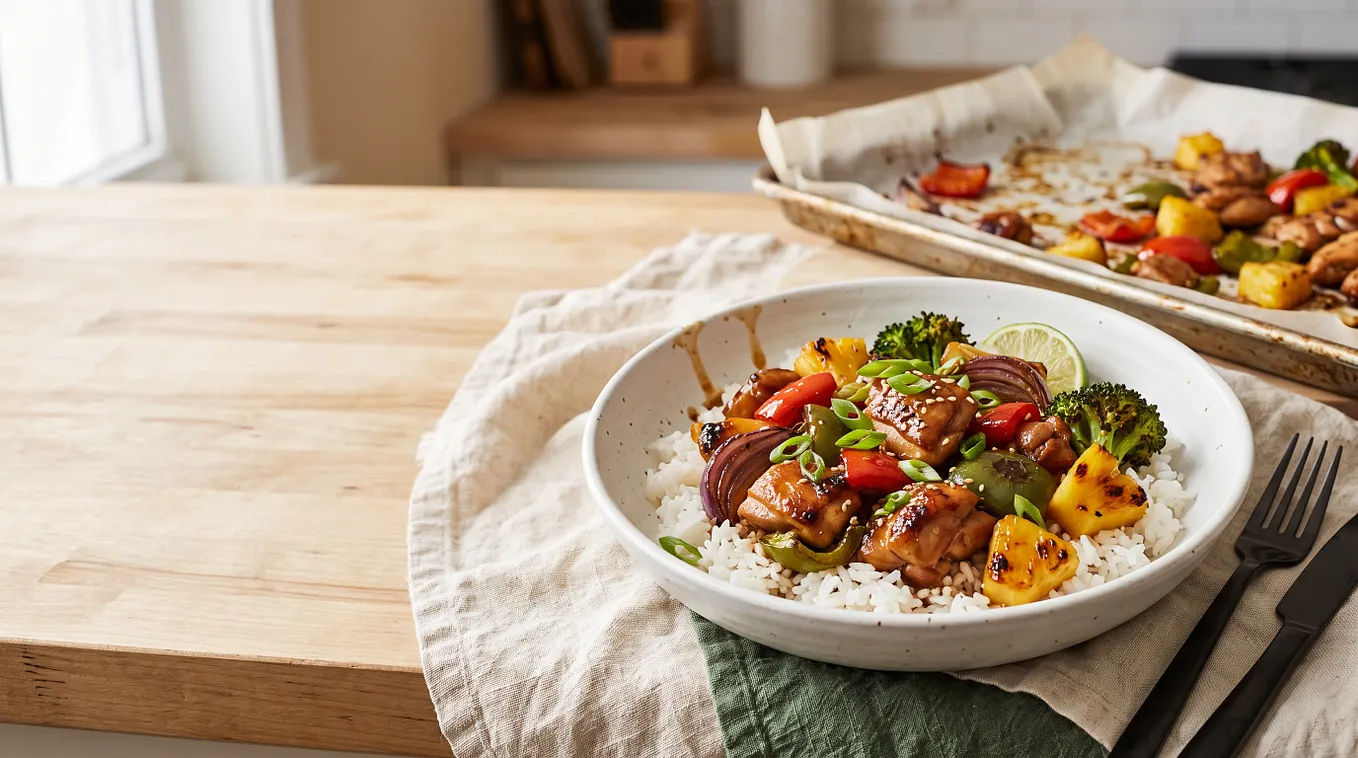
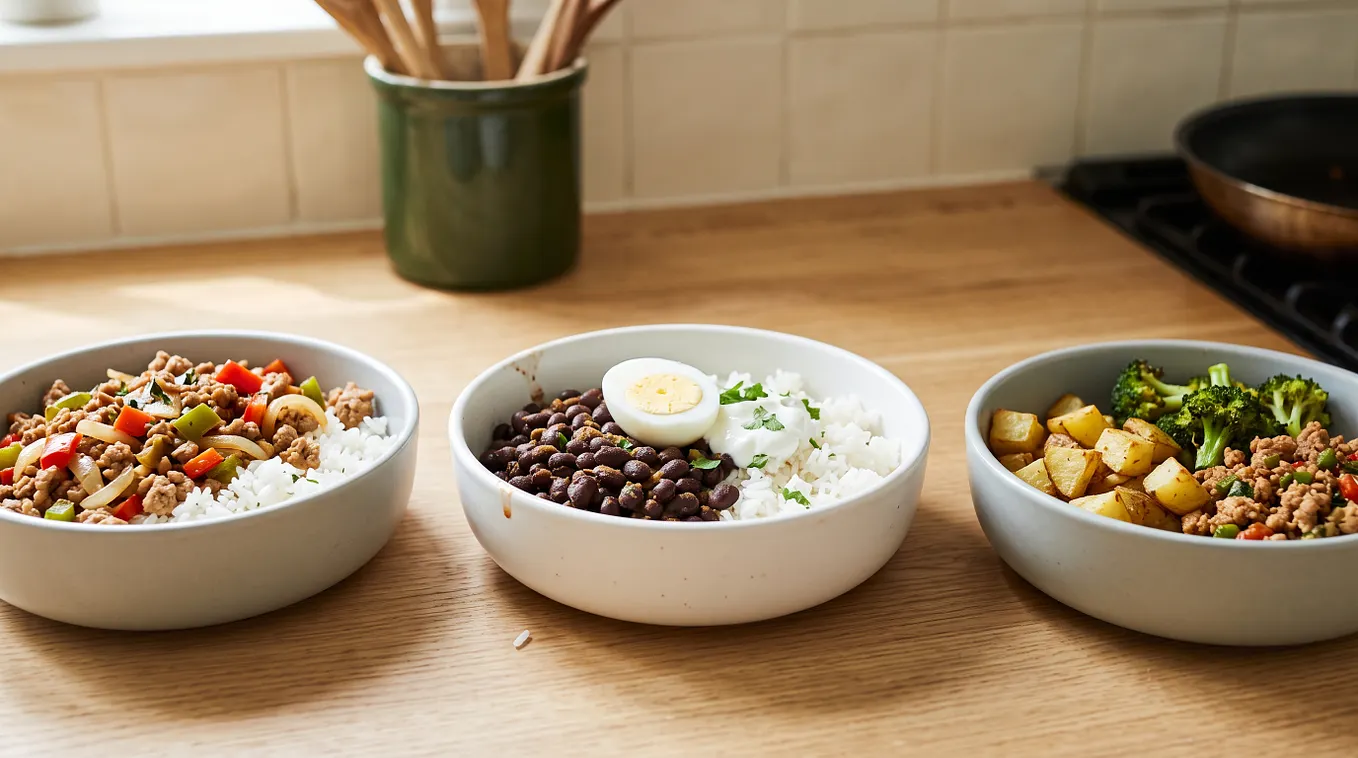
High Protein Meal Prep for the Week: Build Meals From 4 Components

Most meal prep advice asks you to cook five identical containers of chicken and rice. By Wednesday, you’re tired of it.
There’s an easier way to do high protein meal prep for the week: prep four components instead of five full meals. Cook one protein, one grain or starch, one vegetable, and one sauce. Then mix and match them into different lunches and dinners all week.
You cook once and still get variety. Here’s how to build it.

The 4 Components
- Protein, the base of every meal
- Grain or starch, for staying power
- Vegetable, for color, fiber, and volume
- Sauce, which changes how the same ingredients taste
Keep each component simple and flexible. The sauce does most of the variety work, so don’t skip it.
Component 1: Choose Your Protein
Pick one main protein for the week. If you have extra time, add a second. The system works with plenty of options:
- Chicken breast or thighs
- Ground turkey
- Steak or ground beef
- Salmon
- Shrimp
- Hard-boiled eggs
- Beans or lentils
- Greek yogurt or cottage cheese (for breakfasts and snacks)
Chicken is fine, but you don’t need it every week. Rotating proteins keeps meal prep from getting boring and makes it easier to stick with.
A rough starting point: for about four lunches, many people cook around 1.5 pounds of raw meat or fish, or about two cups of dry beans or lentils. Adjust for your appetite and your own needs.
Component 2: Pick a Grain or Starch
This is what makes a meal filling. Good choices include:
- Rice (white, brown, or cauliflower rice if you prefer)
- Quinoa
- Roasted potatoes or sweet potatoes
- Whole wheat pasta
- Tortillas or wraps (assembled fresh)
Rice and quinoa reheat well. Potatoes roast well on a sheet pan next to your protein.
Component 3: Prep a Vegetable
Choose one or two vegetables that hold up in the fridge:
- Roasted broccoli, carrots, or green beans
- Sheet pan peppers and onions
- Raw cucumber, shredded cabbage, or spinach for a fresh crunch
Roasted vegetables usually keep their texture better than steamed ones. Leave delicate greens undressed until you eat.
Component 4: Make a Sauce
A sauce can turn the same chicken, rice, and broccoli into three different meals. Easy options:
- A yogurt based sauce with lemon, garlic, and herbs
- A soy ginger sauce
- Salsa or a simple tomato sauce
- Pesto or a peanutstyle sauce
Store sauce in a separate small container so your food doesn’t get soggy.
Get FIT FUEL KITCHEN’s stories in your inbox
Join Medium for free to get updates from this writer.
Five Ways to Combine the Same Components
Say you prepped ground turkey, rice, roasted broccoli, and a yogurt-herb sauce. You could build:
- Bowl: rice, turkey, broccoli, drizzle of sauce
- Wrap: turkey and broccoli with the sauce in a tortilla
- Stuffed sweet potato: swap in potato, add turkey and sauce
- Salad: greens topped with turkey, broccoli, and sauce
- Skillet: reheat everything together with a splash of water
That’s five different meals from one prep session. Swap in salmon, eggs, or beans and the same formula still works.

A Simple Prep Order
Here’s an order that keeps your time efficient:
- Start the grain or beans, since they take the longest and need little attention.
- Put vegetables and a sheet-pan protein or potatoes in the oven.
- Make your sauce while everything cooks.
- Cook any stovetop protein.
- Let everything cool a bit, then portion into containers.
Cooking is the active part, and a lot of the time is just waiting. Use that wait to wash dishes and portion your food.
Storage and Reheating Basics
USDA guidance says cooked leftovers are generally best eaten within three to four days when refrigerated. For that reason:
- Plan to eat your most perishable meals (fish, shrimp, anything with eggs) earlier in the week.
- Keep food in airtight containers and refrigerate promptly after cooking.
- Reheat until steaming hot throughout.
- If your week runs longer than four days, freeze part of the batch.
When in doubt, follow current food safety guidance rather than guessing.

Common Beginner Mistakes
- Making too much: Start with three or four days of components, not seven.
- Skipping sauce: Without it, everything tastes the same by day three.
- Prepping everything the same way: Mix up your cooking method: roast one thing, simmer another.
- Combining everything in one container: Separate components stay fresher and give you more options.
- Ignoring your own needs: Protein needs vary from person to person, so adjust portions to fit you.
Keep It Affordable
You don’t need expensive ingredients. Look for:
- Family packs of chicken thighs or ground turkey
- Dry or canned beans and lentils
- Frozen vegetables and frozen fish
- Eggs, a budget friendly protein that works in many meals
Buying a few staples and rotating them beats buying new ingredients every week. Prices vary by store and region, so check your local grocery ads.
Want a Ready Made Week?
If you’d rather start with a complete plan, the 7 Day High Protein Meal Prep Plan includes seven days of easy high protein meals, recipes, daily meal plans, a weekly grocery list, general nutrition guidance, and practical prep tips. It’s free, and you can use it alongside the 4 component system.
The Takeaway
You don’t need a different recipe every night. Prep a protein, a grain or starch, a vegetable, and a sauce, then mix and match them all week. Start small this weekend, and adjust next week based on what you actually ate.