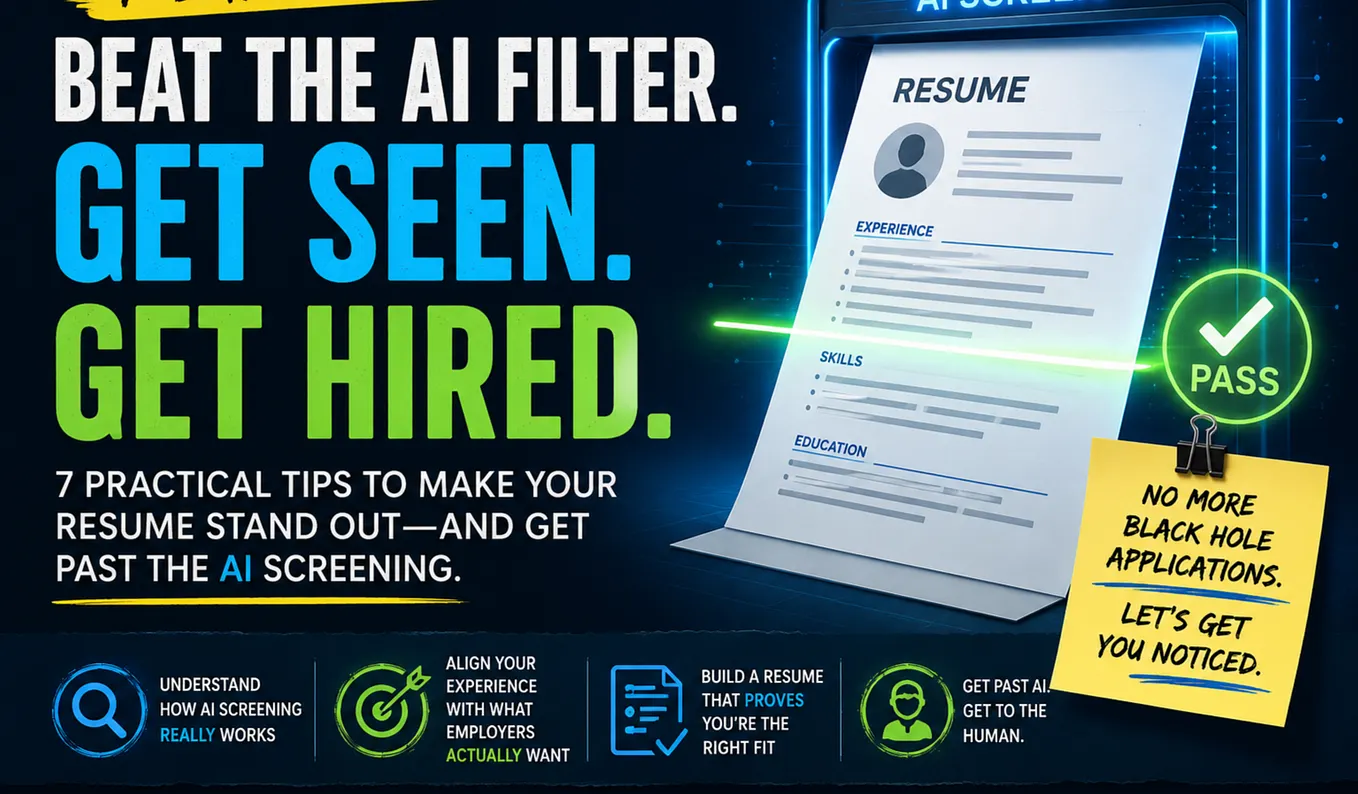
Anyone currently searching for a tech job has lived through this nightmare
You spot an open role, hit Apply, and upload your cleanly formatted PDF resume. Seconds later, the platform’s applicant tracking system wipes out your progress and demands you re enter your entire work history, dates, degrees, and responsibilities by hand.
Doing that once tests your patience. Doing it across dozens of postings is pure burnout.
A few months back, after manually copying my career history into yet another broken form for the hundredth time, I drew the line. Rather than wasting another evening on manual data entry, I sat down to write an automated solution to kill this pain point for good.
The requirements were straightforward:
- Frictionless ATS autofill: Automatically identify standard inputs across various hiring portals and insert verified personal data with a single click.
- Instant resume customization: Re-align resume highlights and keywords against the target job posting so ATS filters don’t screen it out automatically.
- Built in submission tracking: An integrated dashboard to eliminate chaotic, out-of-sync spreadsheets.
Engineering the form engine was easily the steepest challenge.
Get Kostasgun’s stories in your inbox
Join Medium for free to get updates from this writer.
My initial attempt used a single, generalized DOM parser across the web, but edge cases quickly broke it. I switched to a hybrid architecture:
- Targeted adapters for complex enterprise systems (like Workday, SuccessFactors, etc.) to handle their unique markup quirks.
- A heuristic fallback engine for custom, one-off company career pages.
Dynamic selectors were the biggest hurdle. Some portals stick to native HTML select tags, while others deploy custom client side dropdown components or asynchronously loaded items. I split these into separate handling routines to ensure values trigger real input events without triggering form errors. Unlike standard browser autofill tools that choke on these fields, this setup reliably completes them.
To top it off, I wired up an LLM layer for narrative questions like “Why are you interested in this role?”. While our internal answer is usually “to cover living expenses,” the model draws strictly from your verified experience to draft relevant, well-structured replies.
What started as a personal script evolved into SeekAI.
It handles tedious form filling, refines your resume per listing, and organizes your entire pipeline from a single screen.
I’m posting this to get direct, unvarnished feedback from developers and builders: If you give it a spin at Seekai.me, please tell me where it stumbles and what features you’d add.
You can also check out a quick demo here: https://www.youtube.com/watch?v=39L8h5nJBVM
Appreciate you taking the time to read!