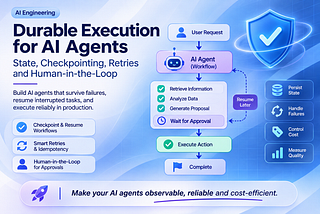
Serif Colakel·19h agoDurable Execution for AI Agents: State, Checkpointing, Retries and Human-in-the-LoopHow to build AI agents that survive failures, resume interrupted tasks, handle approvals, and execute reliably in production.
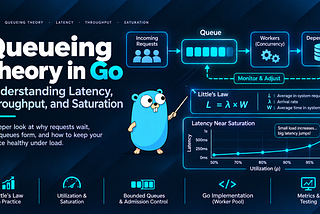
Serif Colakel·20h agoQueueing Theory in Go: Understanding Latency, Throughput, and SaturationYour service handles 500 requests per second.
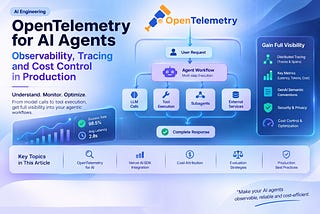
Serif Colakel·1d agoObservability for AI Agents: Tracing, Evaluation and Cost Control in ProductionHow to understand, monitor, debug, and optimize agentic AI systems using OpenTelemetry and modern AI observability practices.
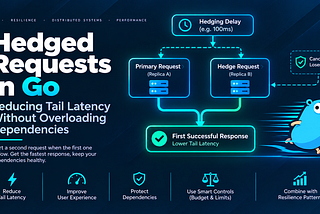
InAlt.bySerif Colakel·1d agoHedged Requests in Go: Reducing Tail Latency Without Overloading DependenciesMost requests in a distributed system finish quickly.
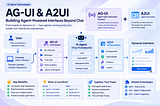
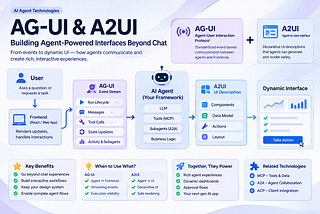
Serif Colakel·3d agoAG-UI & A2UI: Building Agent-Powered Interfaces Beyond ChatHow event-driven agent interactions and generative UI are changing the way we build AI-powered frontend applications.
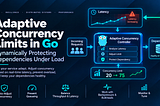
Serif Colakel·3d agoAdaptive Concurrency Limits in Go: Dynamically Protecting Dependencies Under LoadMost services eventually need a concurrency limit.
Serif Colakel·4d agoA2A (Agent2Agent Protocol): Building Interoperable Multi-Agent SystemsUnderstanding how AI agents discover, communicate, delegate tasks, and collaborate across different frameworks and platforms.
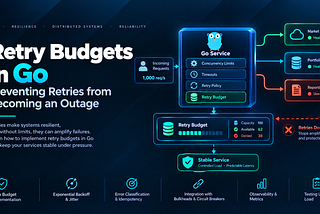
Serif Colakel·4d agoRetry Budgets in Go: Preventing Retries from Becoming an OutageRetries are one of the most common ways to make distributed systems more resilient.A response icon2A response icon2
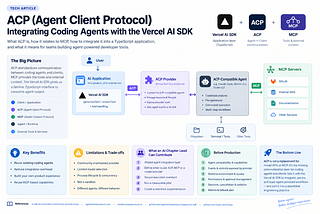
Serif Colakel·5d agoACP (Agent Client Protocol): Integrating Coding Agents with the Vercel AI SDKWhat ACP is, how it relates to MCP, how to integrate it into a TypeScript application, and what it means for teams building agent-powered…
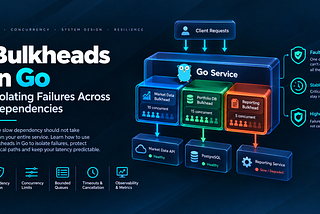
Serif Colakel·5d agoBulkheads in Go: Isolating Failures Across DependenciesA service can have healthy code, reasonable timeouts, and a circuit breaker — and still suffer a cascading failure.