Member-only story
Java Records: An In-Depth Explanation

4 min readSep 25, 2024
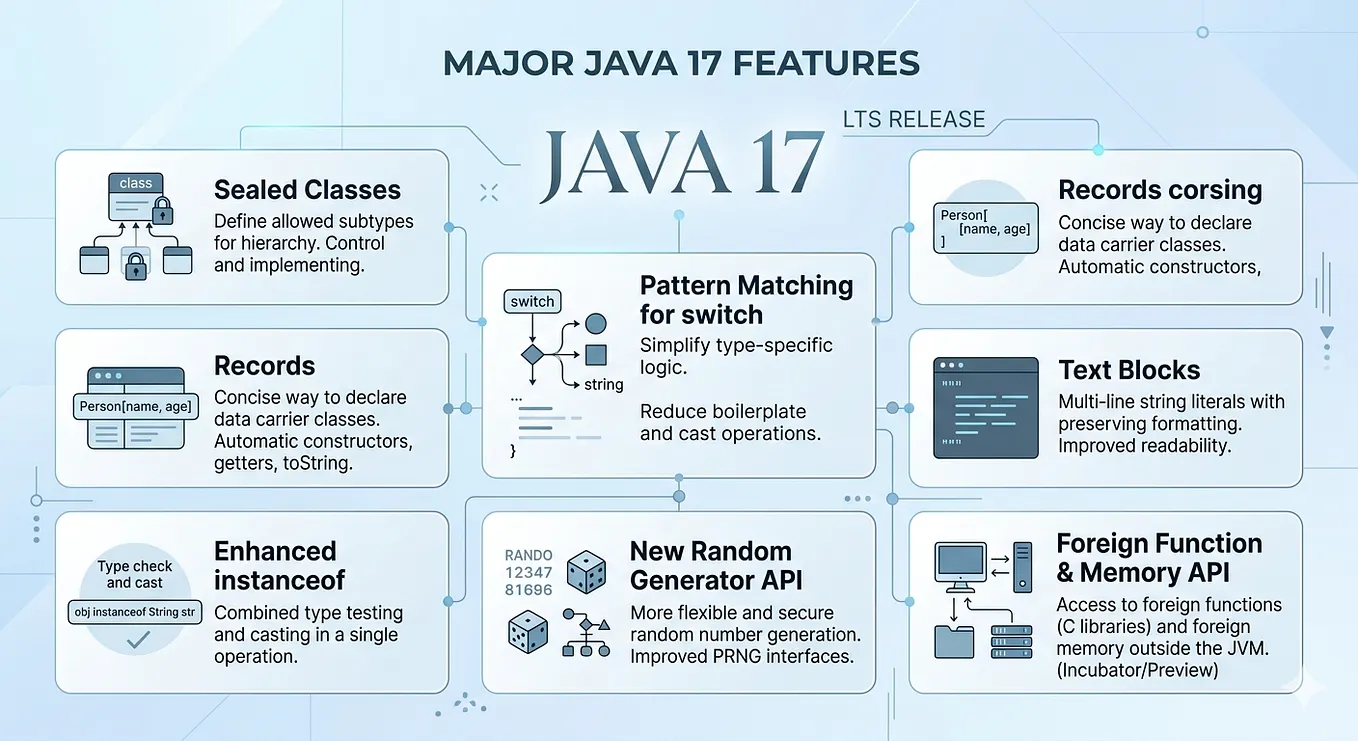
Java Records, introduced in Java 14 as a preview feature and fully released in Java 16, provide a concise way to declare classes whose primary purpose is to hold data. Records are a form of data carrier classes where we care more about the data they contain than about the behavior. They automatically provide implementations for commonly used methods like toString(), equals(), hashCode(), and accessor methods.
Why Use Java Records?
The main purpose of Java Records is to reduce boilerplate code when creating simple data classes. Normally, when defining a class to hold data, you would need to:
- Define fields
- Write constructors
- Provide
equals(),hashCode(),toString(), and accessors (getters)
Java Records eliminate most of this repetitive code by providing these common implementations automatically.
Purpose of Java Records:
- Immutability: The fields in a Record are final, meaning the data within them cannot be changed once the Record is created.
- Readability: Records are more readable and concise, especially for small classes whose main job is to hold data.
- Automatic Implementations: Records automatically provide implementations for
equals(),hashCode(), andtoString(), making them suitable for use in hash-based collections likeHashMaporHashSet. - Immutability-friendly…