Member-only story
Build Your Own MCP Server From Scratch

8 min readMay 15, 2026
The Missing Layer Between LLMs and Real Systems
Learn how to build a production-style MCP (Model Context Protocol) server using Node.js, TypeScript, JSON-RPC, and Playwright.
Press enter or click to view image in full size![]()

But there’s one thing most developers still don’t fully understand:
How do LLMs actually connect to real systems safely?
non members can read here
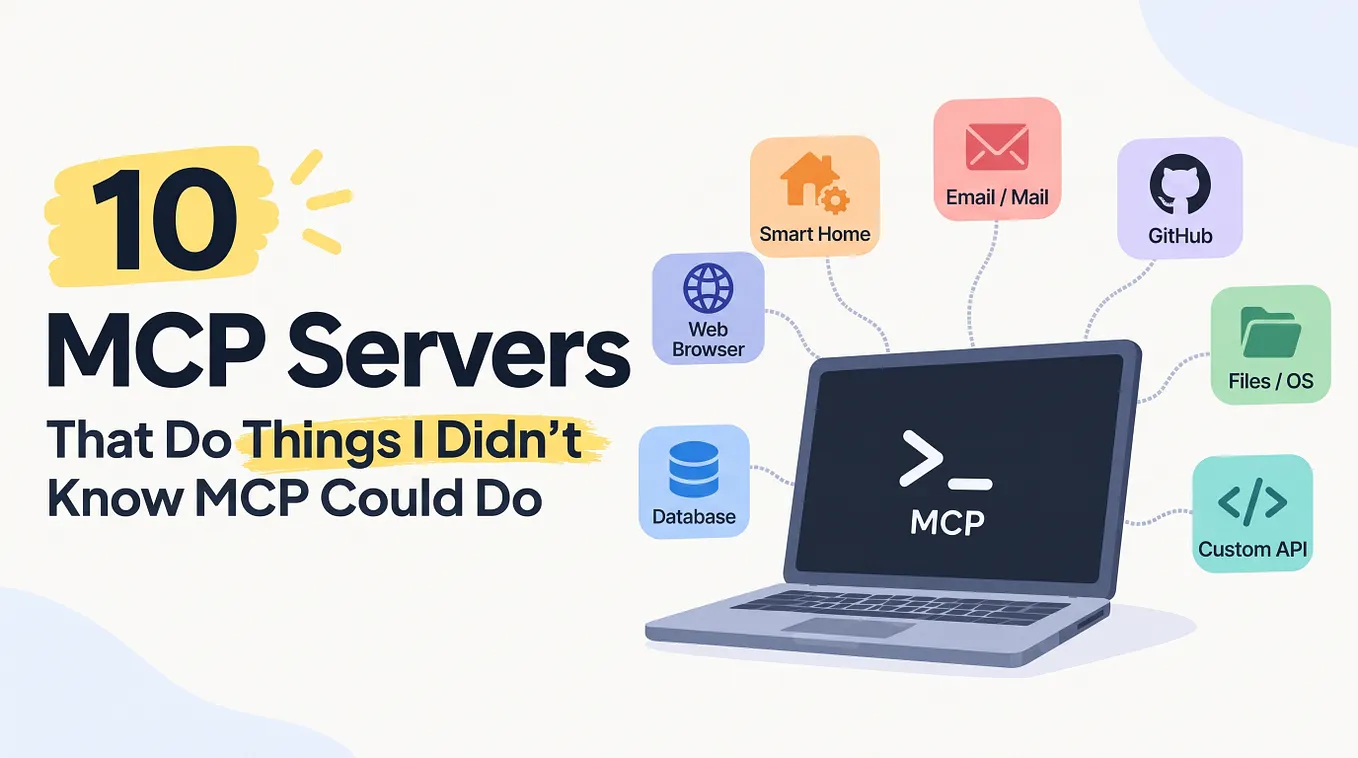
How does an AI agent:
- Open browsers?
- Query databases?
- Trigger APIs?
- Access enterprise systems?
- Execute workflows?
That infrastructure layer is increasingly becoming MCP.
And once you understand MCP, you stop building simple chatbots.
You start building AI systems.
In this article, we’ll build our own MCP server from scratch using Node.js.
Not just theory.
A real implementation with:
- Tool discovery
- JSON-RPC communication
- Dynamic tool execution
- Validation
- Streaming support
- Playwright integration