Member-only story
How Web Components Reduced Frontend Duplication Across Teams

6 min readMay 13, 2026
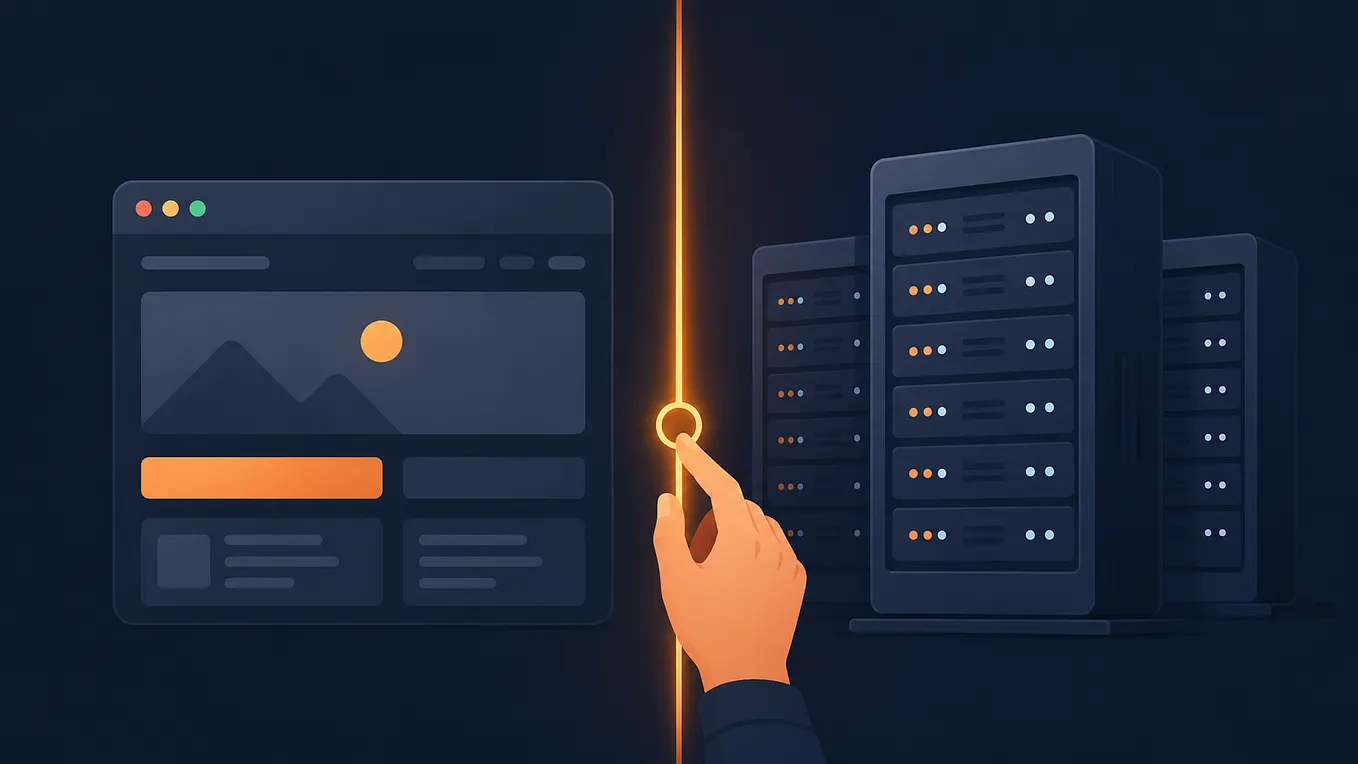
Most frontend duplication problems don’t start as architectural problems.
They start with a simple sentence:
“We’ll just build our own version for now.”
Press enter or click to view image in full size![]()

The React team creates a date picker.
non members read here
The Angular team creates another because integrating the React version feels messy.
Then the admin dashboard needs a modified variant.
Then an internal legacy portal copies the component because migration is “planned later.”
A year later:
- five button implementations exist
- design systems slowly drift apart
- accessibility fixes must be repeated everywhere
- framework upgrades become painful
- frontend consistency disappears
At scale, frontend duplication becomes less about UI and more about organizational complexity.
And this is exactly where Web Components started becoming useful again for many enterprise engineering teams.