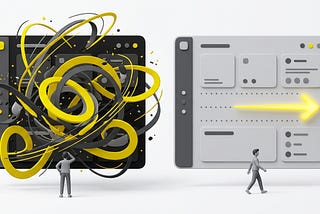
Justin Li·9h agoThe Context Illusion: Why the Same Interface Means Different Things in the Real WorldWe design for the screen, but users live in a chaotic, multi-dimensional reality. Here is how to design for the environment, not just the…
Travis Ray Caverhill·1d agoThe Scammer Didn’t Steal Their Password. They Stole Their Retirement.The FTC’s October 2026 report shows that older Americans reported approximately $3 billion in fraud losses during 2025. Investment scams…
Jason Han·2d agoThe Motion Illusion: Why Microinteractions Must Communicate, Not Just DecorateStop treating animation as the final coat of paint. Here is how to design motion that actually speaks to the human brain.
Akio·2d agoThe Timing Illusion: How Milliseconds Dictate the Perception of Your InterfaceStop treating animation as a visual afterthought. Here is how the physics of time shapes user trust and cognitive load.A response icon1A response icon1
Fringe Logbook·2d agoArchitecture of the 3 Invisible EnclosuresThe most durable prisons are never forged from iron. They do not announce themselves with watchtowers, nor do they require guards at the…
Atticus | Better Decisions·3d agoWhen Value Propositions Become Objections: Why Tailored CTAs Reduced EnrollmentA plan comparison test added value-prop CTAs per product and enrollment dropped significantly. The mechanism is choice disfluency — and it…
Justin Li·5d agoThe Best Interfaces Don’t Eliminate Friction. They Manage Expectations.We spend years trying to make everything instant. But the real skill is teaching the user what to expect next.
Gul Ahmed Shah·5d agoThe Architecture of Intent: How User Goals Radically Change Interface DesignStop designing for features. Start designing for the psychological state of the user at the exact moment they need you.
Edward Flynn·5d agoThe Silent Conductor: Why Visual Hierarchy Is More Than Just Making Things BiggerWe obsess over font sizes, but the true architecture of attention is built on contrast, space, and cognitive rhythm.
Ryan Chen·5d agoThe Cursor Illusion: Why Mobile UX Requires Designing for Fingers, Not PointersStop shrinking desktop layouts. Here is how to build interfaces that respect the physical and cognitive reality of the human hand.